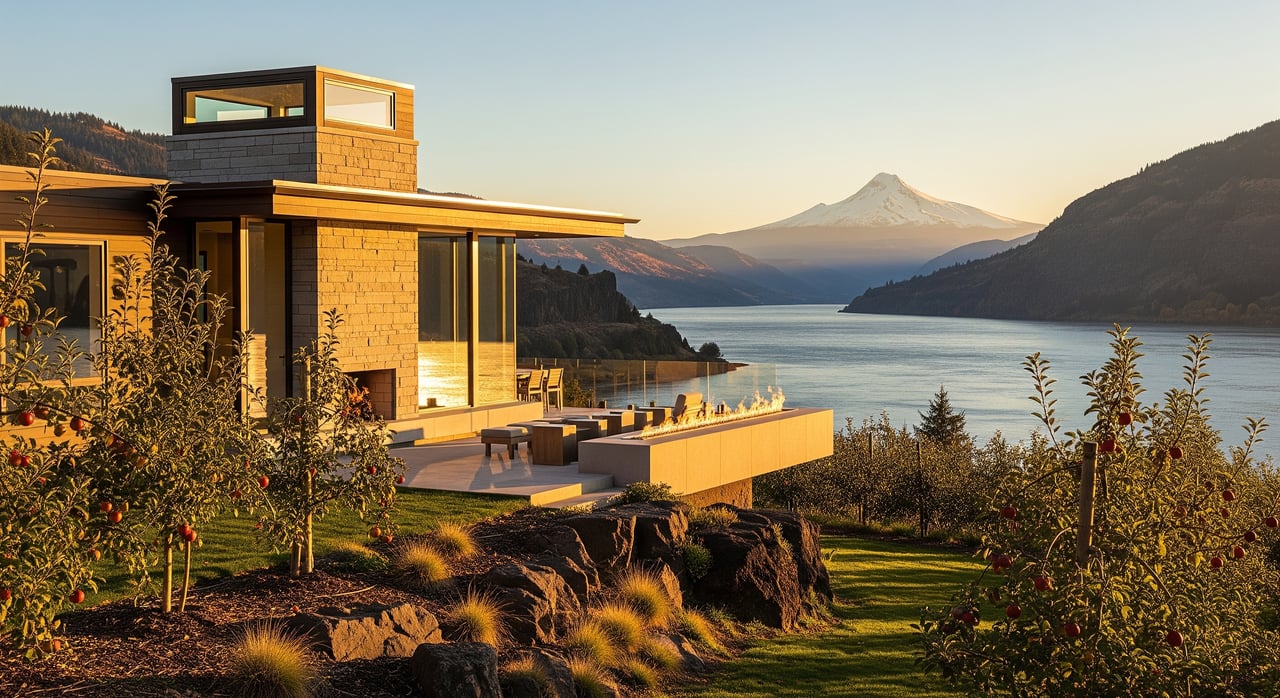
Living in Hood River, Oregon: A Year-Round Guide
February 5, 2026
February 5, 2026
Thinking about trading city traffic for river views and trailhead mornings? If you are moving from Portland or Seattle, Hood River offers a true four-season lifestyle that blends small-city services with world-class outdoor access. You want to know how the seasons feel, when the wind kicks up, how busy downtown gets, and whether housing here works for everyday life. This guide walks you through the rhythms of a year in Hood River, from recreation and dining to schools and housing, so you can picture your week before you pack a box. Let’s dive in.
Hood River lives by its seasons. You will feel the wind, watch the orchards change color, and learn to plan your days around weather windows.
Summer is warm and dry with sunnier days than Portland. Afternoon and evening winds are common, which is great for wind sports and cooling down after hot days. Plan river sessions later in the day and calmer hikes or paddles in the morning. Expect crowded trailheads and a busy downtown on weekends as tourism peaks.
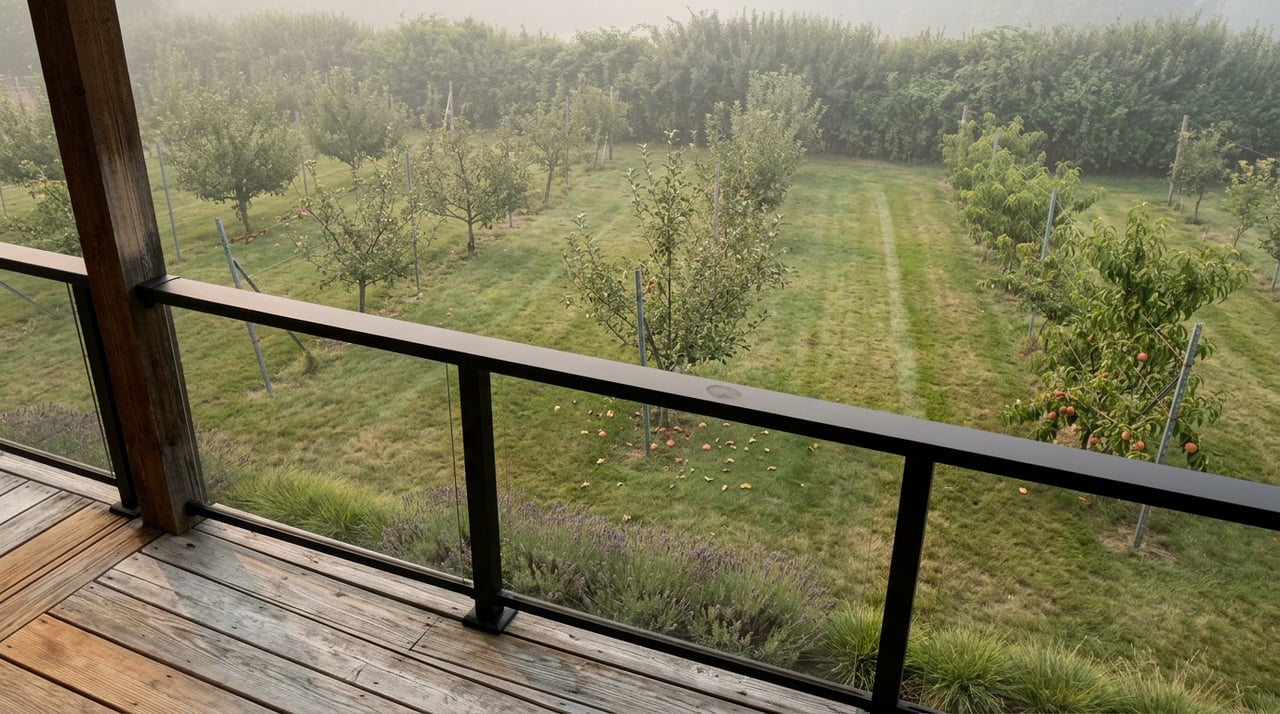
Fall brings crisp mornings, bright foliage in the valley, and apple and pear harvest. Visitor traffic eases compared to midsummer, but leaf-peeping and winery or fruit-loop days still draw weekend crowds. Weather is comfortable for hiking, biking, and late-season paddling. Local restaurants highlight seasonal produce, and outdoor dining often continues into early fall.
Winter is cooler with periods of rain and occasional snow in town. Higher elevations see more snow, which makes day trips to Mt. Hood ski areas part of many residents’ routines. Tourism slows, so it is easier to get a table or find parking downtown. Be ready for intermittent I-84 travel disruptions during storms.
Spring starts wet and can be muddy on early-season trails, then everything greens up quickly. Orchards bloom, road cycling ramps up, and mornings are often calmer before winds increase later in the day. Bring layers and expect fast-changing conditions. By late spring, the thermal wind pattern strengthens and watersports return to daily calendars.
You can reach water, trails, and snow within minutes to an hour. The landscape makes an active lifestyle feel easy and natural.
From late spring through early fall, reliable afternoon winds create famous conditions for windsurfing and kitesurfing. Stand-up paddleboarding and kayaking are common on calmer mornings or in sheltered areas. Many outfitters operate seasonally, so you can learn or refresh skills without buying a full garage of gear. Fishing and boating are year-round, with launch points close to town.
Hiking is accessible in all seasons, with trail choice shifting as snow lines and mud conditions change. Mountain bikers flock to area systems such as the popular Hood River networks for cross-country loops and gravity lines. Road cyclists enjoy scenic valley climbs and gorge vistas that challenge legs and reward with views. Stewardship and parking etiquette matter, so plan ahead and respect closures.
Winter brings frequent day trips to Mt. Hood for downhill and snowboarding. If you prefer quiet, you can find snowshoe and winter hiking routes when conditions allow. Many residents keep a flexible weekday schedule for snow days and avoid peak weekend traffic when possible. Living in Hood River makes short-notice powder days more realistic.
Local clubs, youth sports, and informal meetups connect people who paddle, pedal, climb, or ski. Your social life often follows the day’s weather window. Mornings might mean a quick trail run or coffee before work, afternoons a river session, and evenings a pint with friends. The outdoor culture is welcoming, and it is common to see families out together.
Hood River’s food and craft-beverage scene punches above its size. You will find multiple breweries, cideries, wineries, and tasting rooms, many with valley or river views. Restaurants lean farm-to-table and seasonal, with casual pizza and sandwich shops alongside special-occasion dining. Farmers markets and farm stands showcase local fruit, vegetables, and specialty goods when in season.
Downtown has everything you need for day-to-day life. You can shop at supermarkets, hardware stores, and outdoor outfitters, and handle basic services without leaving town. For big-box shopping or more specialized medical care, residents often drive to Portland or The Dalles. Nightlife is modest but lively for a small city, with taprooms, live music nights, and seasonal festivals rather than late-night clubs.
Season shapes service hours. Summer brings extended hours and busy weekends, so reservations help during peak season. Off-season dining is more relaxed, and shorter hours are common on weekdays.
Hood River is more than a resort stop. It is a year-round small city with schools, a hospital, and active civic life.
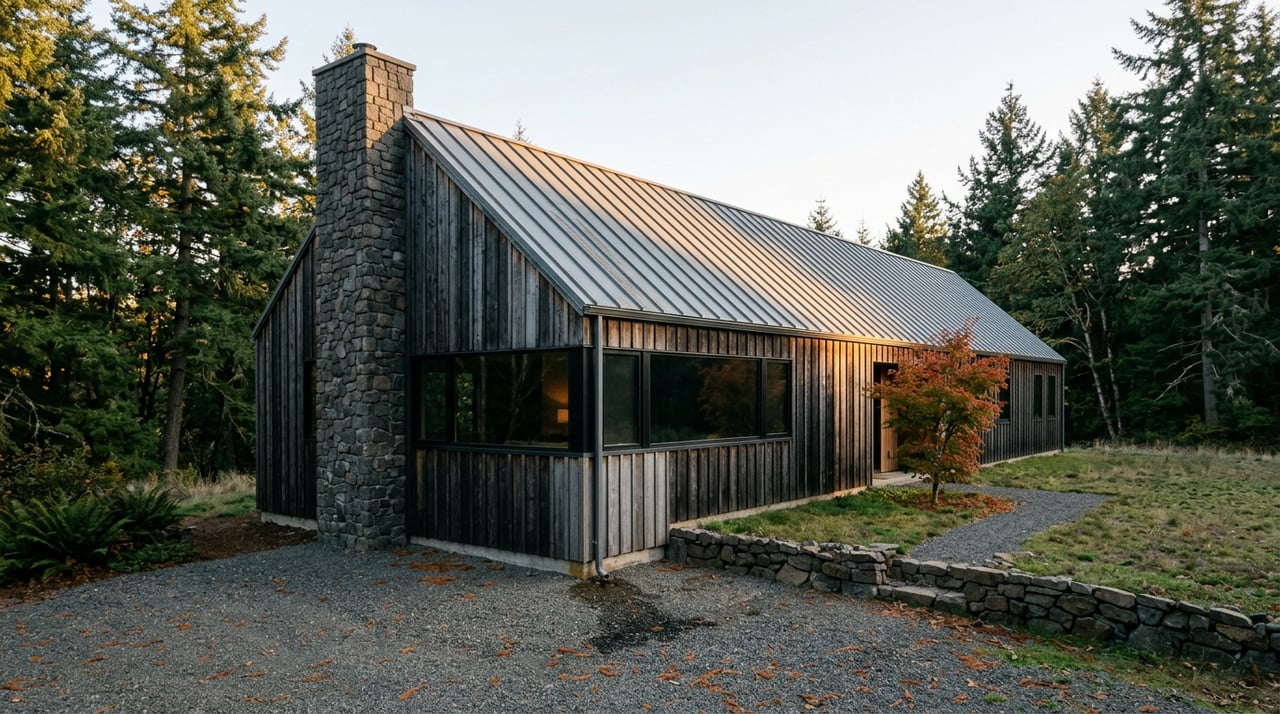
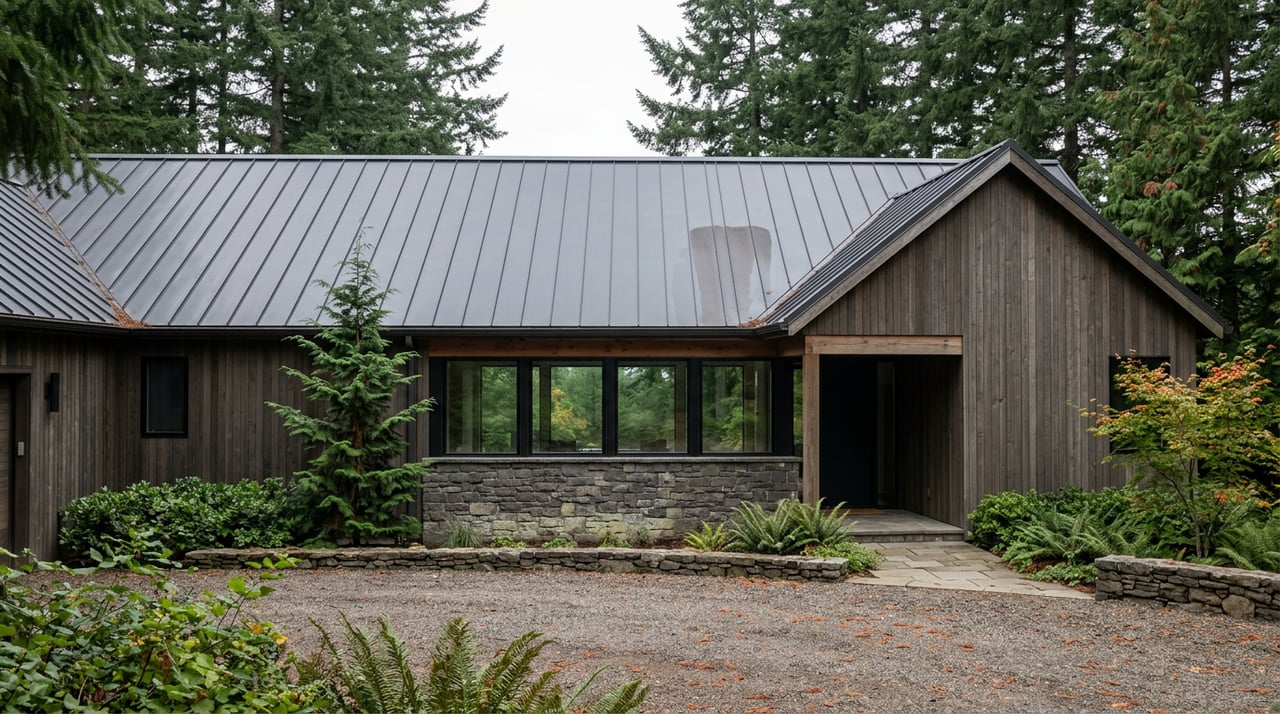
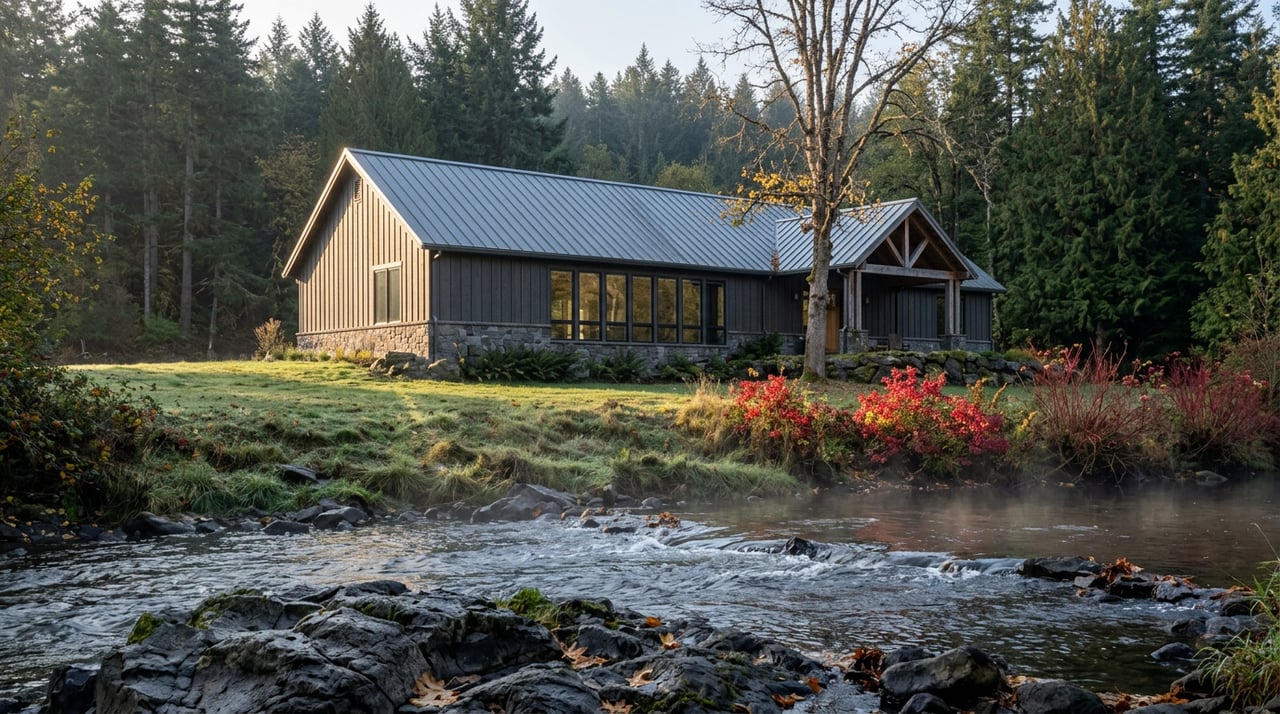
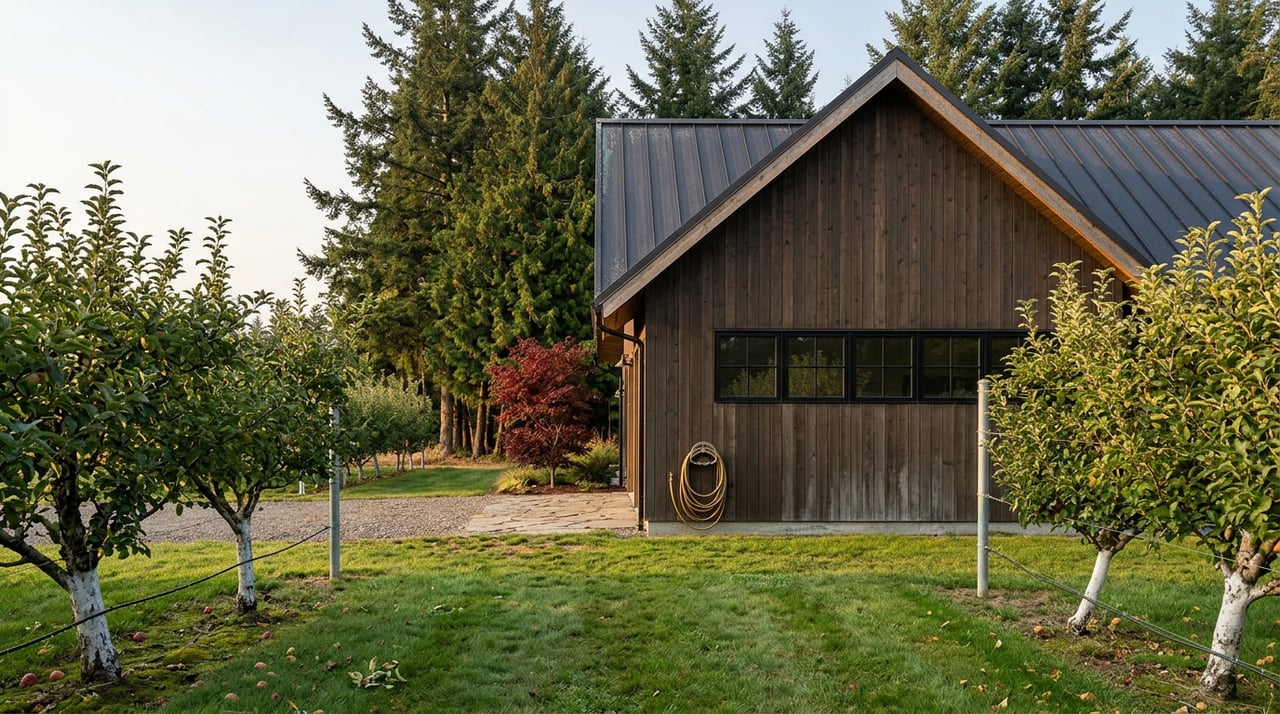
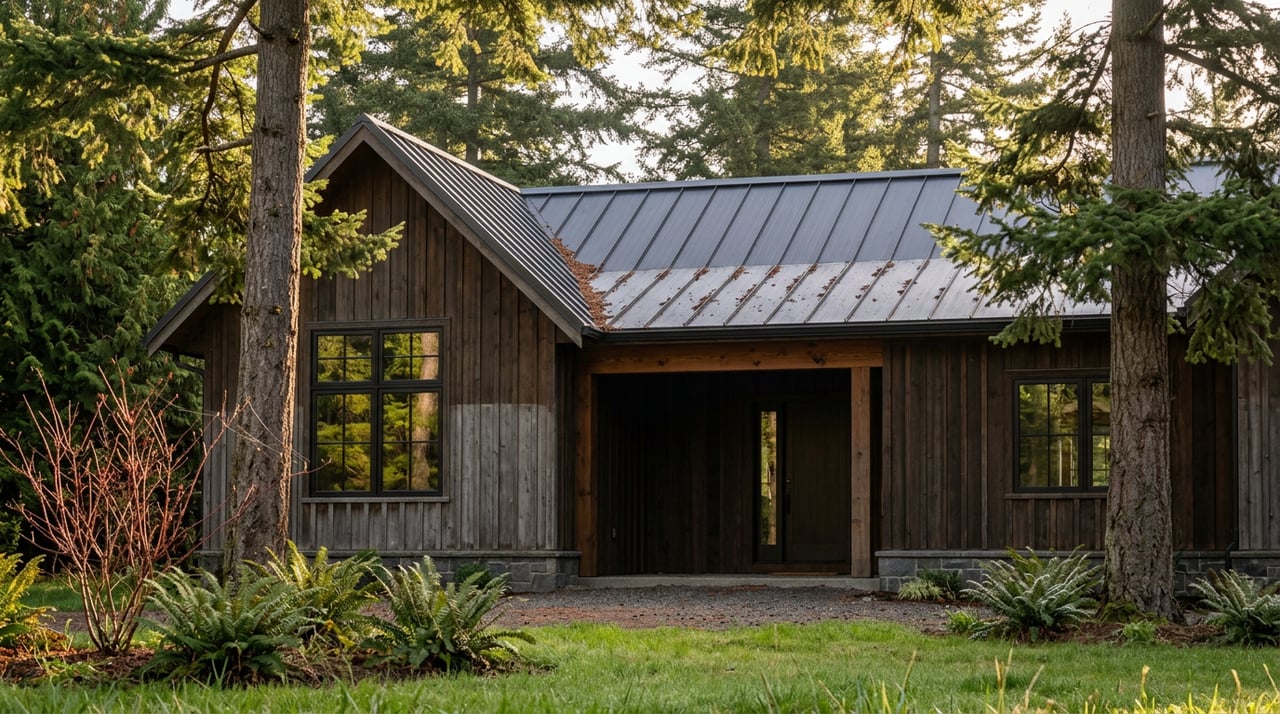
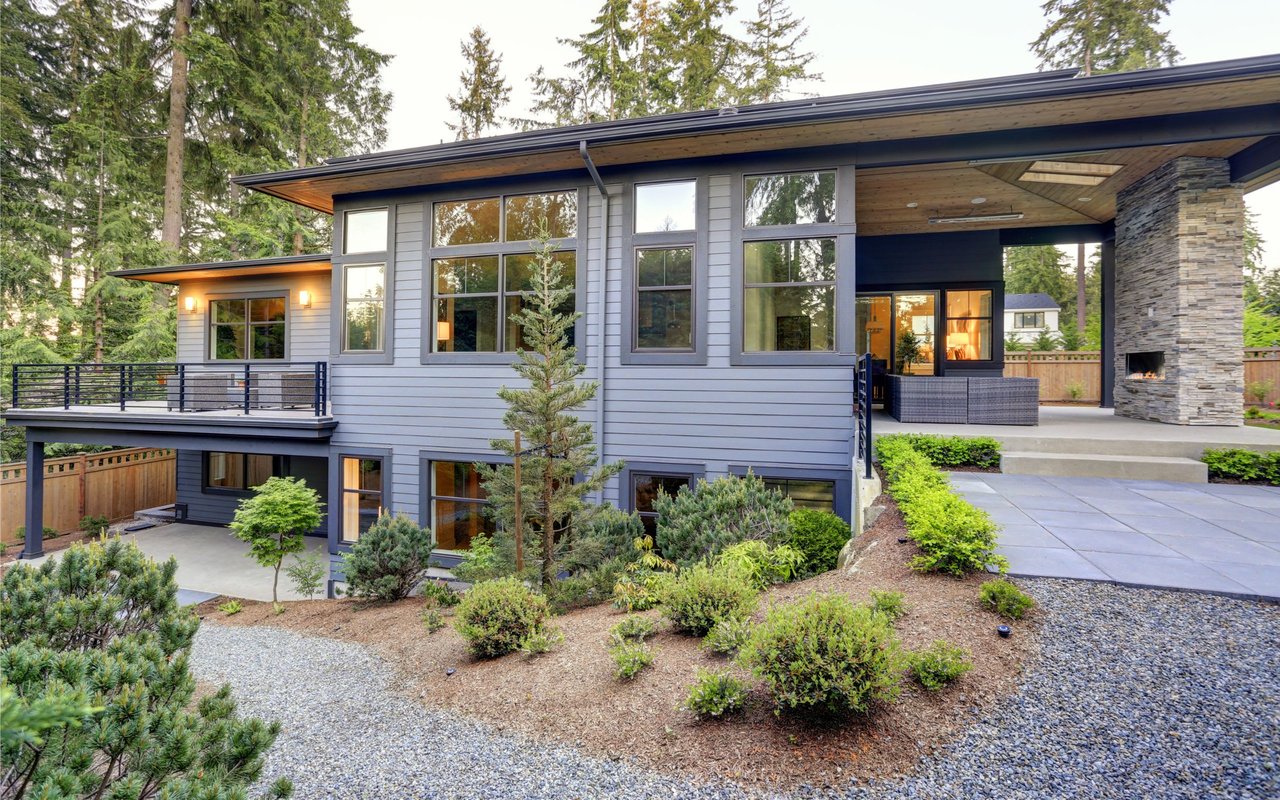
Housing in Hood River ranges from historic in-town homes to rural orchard properties. Many homes are set up for full-time living, which makes it easy to settle in year-round.
When you shop, look for insulation quality, efficient heating, and storm readiness. Winter comfort matters, even if snow is occasional in town. Rural homes may rely on well and septic and can involve private road maintenance. In both town and valley settings, verify broadband speeds to support remote work and streaming.
Demand is strong thanks to the lifestyle and proximity to Portland and Seattle. Inventory can be tight at times, and affordability pressures exist in many Gorge communities. Buyers include remote workers, second-home seekers, and investors, which influences competition in some price bands. Patience and preparation help you move quickly when the right home hits the market.
Short-term rentals are part of the local housing picture and can affect inventory and neighborhood feel. City and county governments regulate STRs, sometimes with permits, caps, or restrictions. If you plan to rent a home short-term, verify current ordinances, zoning, and permit status for the property. Rules change, so ask early in your search.
If a property is within city limits, services, taxes, and zoning differ from unincorporated county areas. Rural acreage offers space and privacy but often requires more self-sufficiency. Your goals, commute, and recreation habits will guide which side fits best.
Picture a typical week as a full-time resident. Monday starts with a calm-morning paddle before work, then a downtown lunch and a simple dinner at home. Midweek brings an after-work trail ride or run as winds pick up on the river.
Friday you meet friends at a taproom, then plan a Saturday hike or a ski day if it is winter. Sunday is for errands, a farm stand visit in season, and a quiet drive through the valley. It is an easy rhythm once you learn the seasonal cues.
If you want a small city that functions year-round, with quick access to outdoor fun and a food culture tied to local farms, Hood River delivers. You will manage some seasonal tradeoffs like wind, busy summers, and winter travel days, but you gain a lifestyle that keeps you outside and connected to a community. If that balance sounds right, you can make a full-time life here.
Ready to explore neighborhoods, acreage, or a view home that fits your routine? Reach out to Chrissy & Brock Wood for local guidance, smart strategy, and a seamless move.
Stay up to date on the latest real estate trends.
Chrissy and Brock cover a lot of real estate ground and knowledge and have the experience and expertise to do it all. They also have established relationships and connections with local resources to help ensure that clients are well taken care of before, during, and after a transaction.
BROCK & CHRISSY WOOD
Chrissy Wood - Licensed in WA & OR
(425) 418-3988
Brock Wood - Licensed in WA & OR
(509) 637-4400
315 Oak St Ste 200 Hood River OR 97031