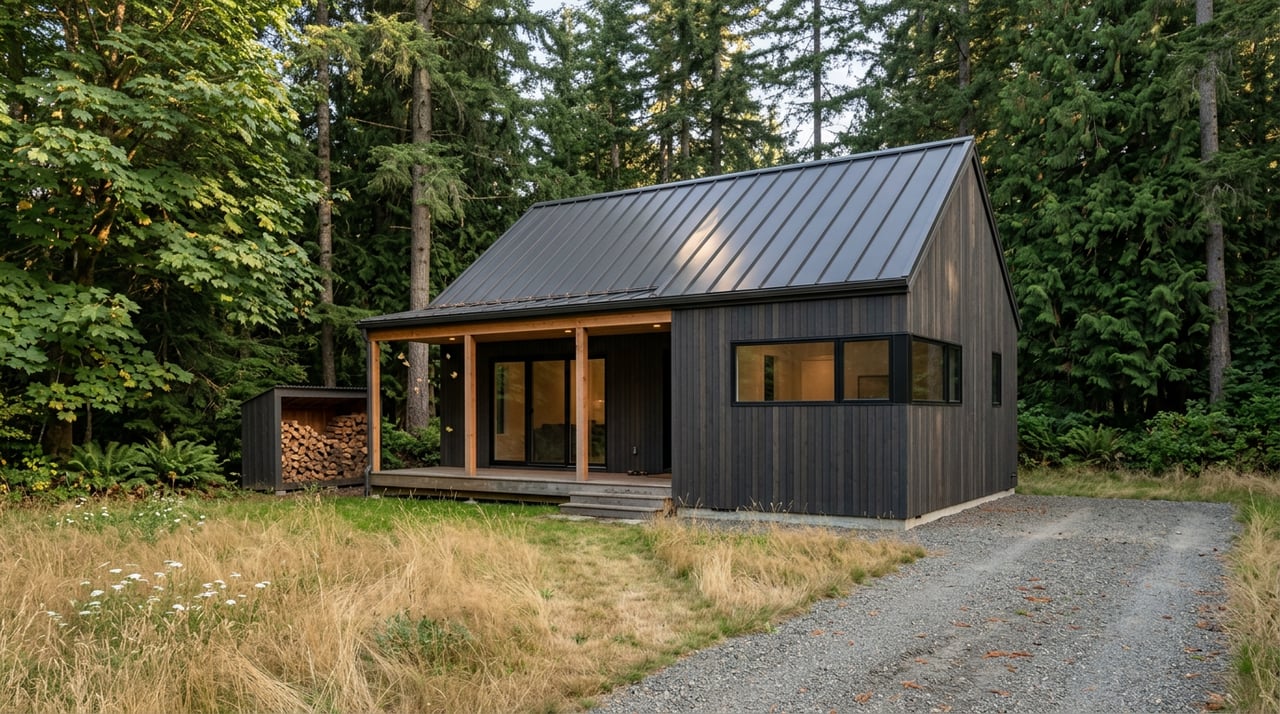
What to Know About Trout Lake WA Acreage Homes
March 5, 2026
March 5, 2026
What does life really look like when you trade traffic for timber, and move into a Trout Lake cabin on a few acres? If you are picturing big skies, mountain views, and space to breathe, you are on the right track. You should also plan for wells and septic, winter roads, and a smart approach to wildfire season. In this guide, you will learn what to expect from cabins and acreage in Trout Lake, how utilities and access work, and the key questions to ask before you buy. Let’s dive in.
Trout Lake sits in northwest Klickitat County at about 1,900 feet, with State Route 141 connecting the valley to White Salmon and SR‑14 along the Columbia River. Get a feel for the geography and small‑town setting in this overview of Trout Lake’s location and context.
Winters are cold and snowy, and summers are warm and dry. Snow is common enough to shape daily life in winter and can affect forest road access. Review the local climate summary as you plan for heating, vehicles, and seasonal routines.
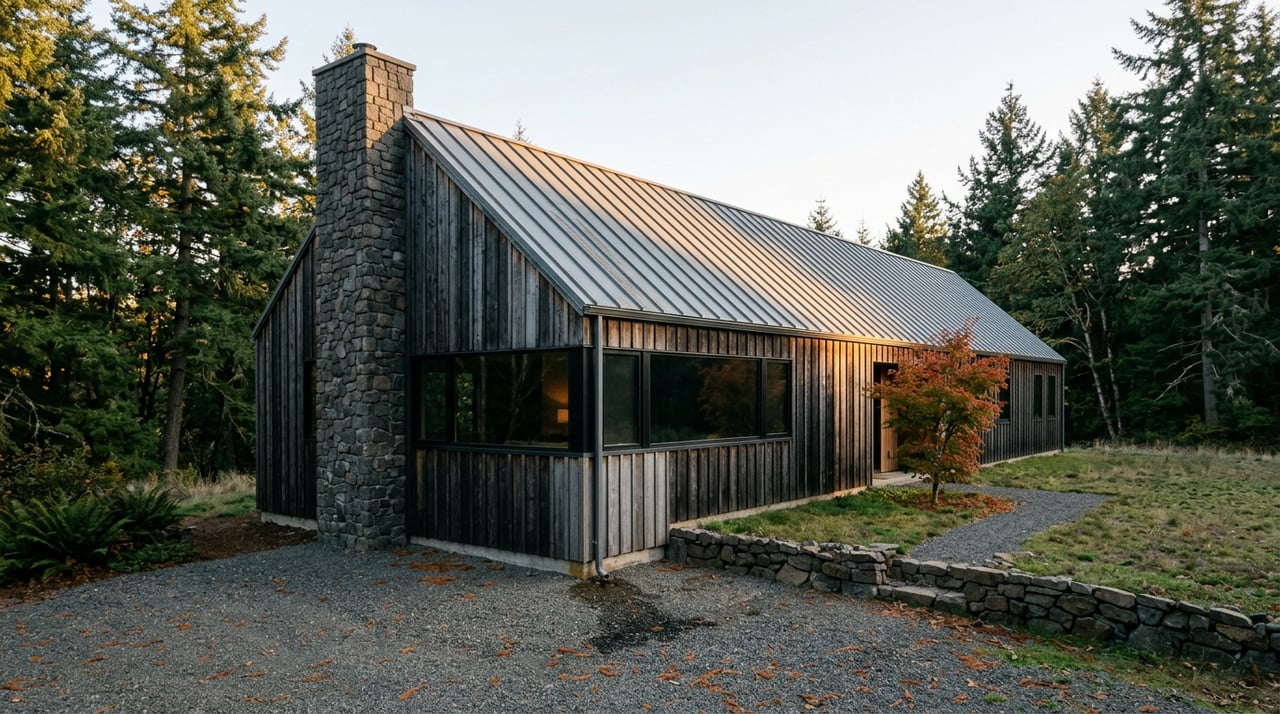
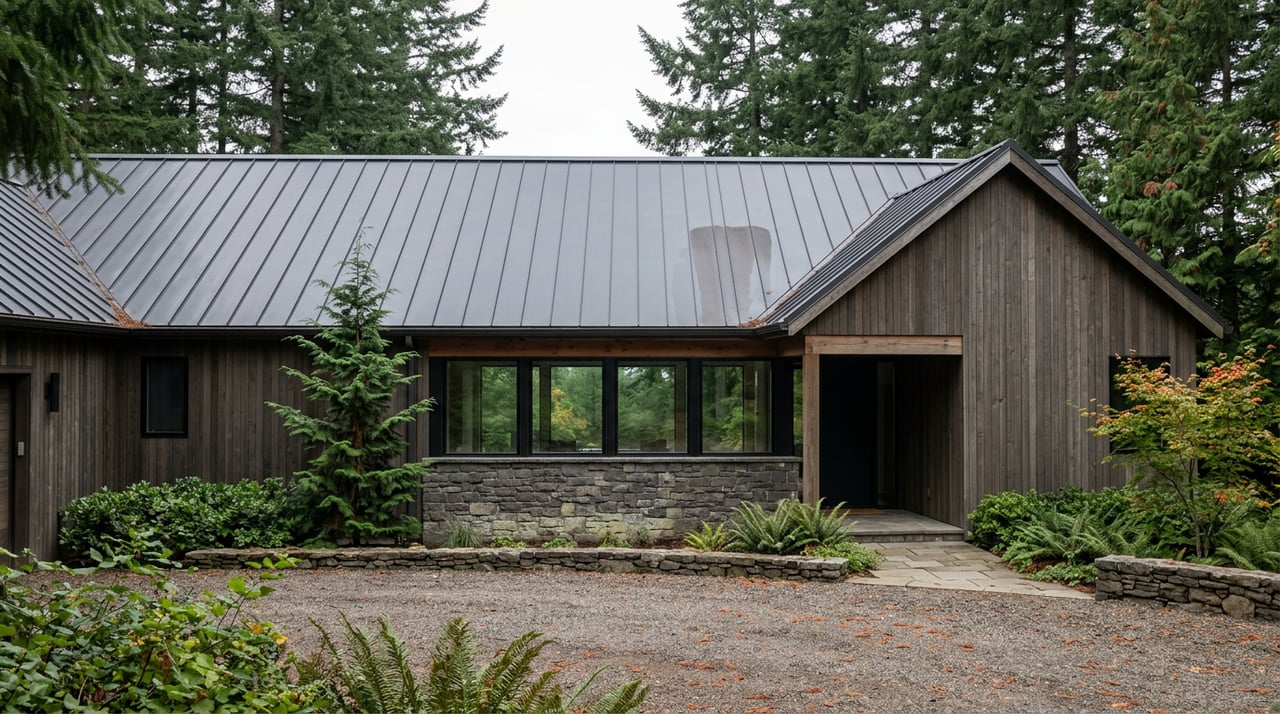
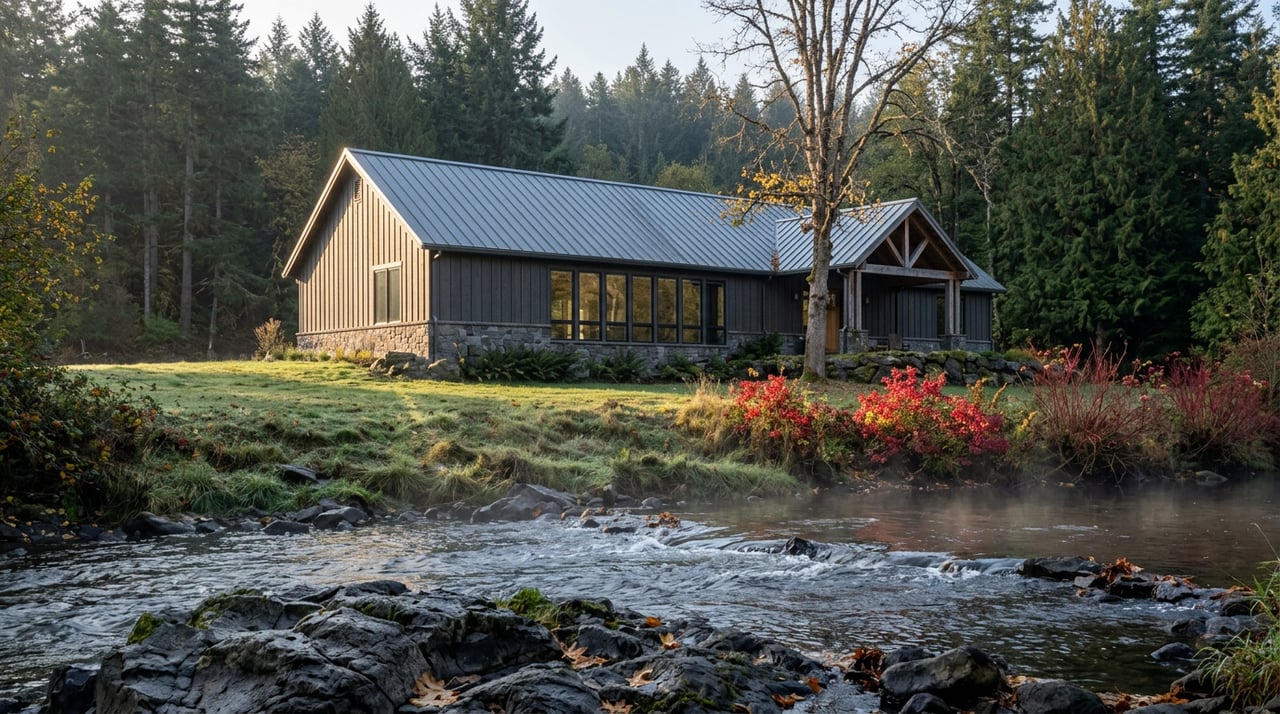
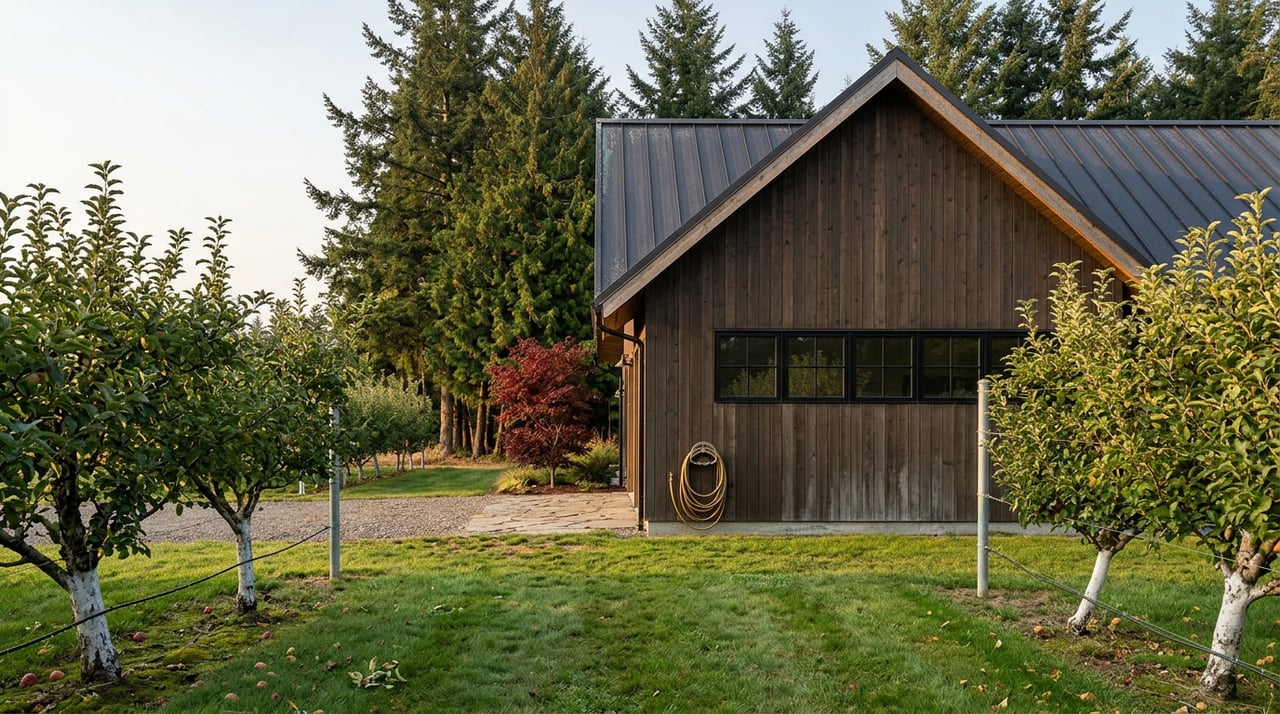
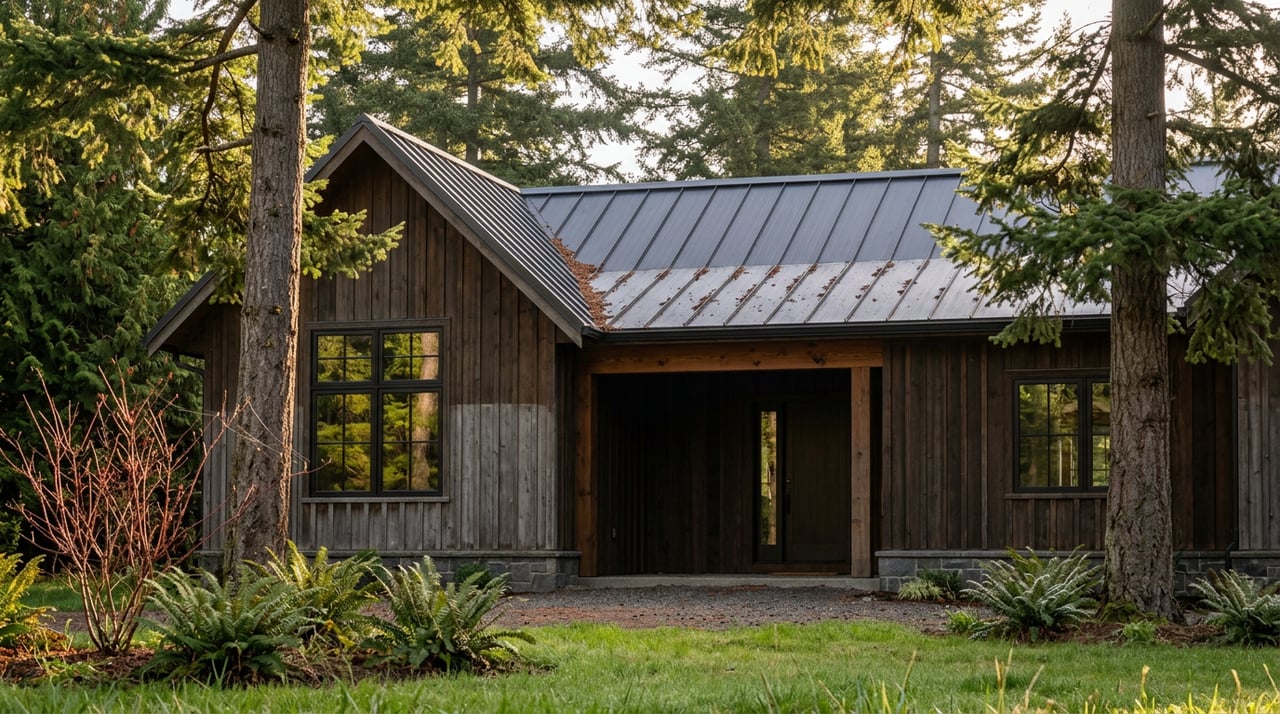
You will see a mix of classic wood‑frame or log cabins, simple modulars, and custom homes tucked into timber or meadow. Parcels range from sub‑acre lots near the village to 5‑plus acres with room for small barns, workshops, fenced pasture, or timber.
Expect a practical, self‑reliant setup. Many properties have on‑site wells and septic, wood or propane heat, and storage for equipment. The more rural you go, the more you will want to confirm road access, snow removal options, and connectivity.
Most Trout Lake parcels use a private drilled well or a small community water system. For private wells, make water due diligence a top priority.
If a listing lacks a well report or recent test results, treat that as a key contingency item. Correcting water issues or drilling a new well can be a significant expense.
Rural homes around Trout Lake typically rely on on‑site septic. The design depends on soils and slope, and you should review records before you fall in love with a cabin.
Repairs or replacements require a design and county permits. Build adequate time into your inspection period to evaluate the system, especially if you hope to expand bedrooms or host guests.
Electric service is provided by Klickitat PUD. For developed parcels, confirm meter location, service size, and panel age. For raw land, ask the PUD about line extension distance and cost. Find service info and programs through Klickitat PUD.
Heating is often a mix: wood stoves or boilers, propane furnaces, and electric heat. Plan ahead for winter wood or propane deliveries, and ask sellers for typical winter bills so you can budget.
Internet can vary by street. Some addresses have DSL or fixed‑wireless, while many owners use satellite providers. Check address‑level options using this Trout Lake internet availability summary, and test cell coverage on site. Many households rely on Wi‑Fi calling or a booster.
SR‑141 is the paved route in and out, but not every road is county‑maintained. Some forest roads are unplowed in winter, and seasonal closures can affect routes to hiking and higher elevations.
When you evaluate a property, confirm whether access is via county road or private/forest road. Ask about recorded road maintenance agreements, typical snow removal, driveway grade, and space for a plow turnaround. These details affect everyday errands, school runs, and emergency access.
The Mount Adams area has a real fire season. The 2024 Williams Mine Fire brought closures and evacuations, a reminder that wildfire exposure varies by location and year. See the Williams Mine Fire update for recent context.
As a buyer, you should:
Proactive mitigation and clear access can improve insurability and peace of mind.
Short‑term rental rules depend on zoning and use specifics. Whole‑unit transient lodging is a primary use in certain commercial zones, while many rural residential zones do not permit it as a principal use. Always verify your parcel’s zoning and any overlays before assuming STR is allowed. Start with the county’s zoning ordinance and confirm with planning.
Even when allowed, infrastructure can set limits. Septic capacity is tied to bedrooms and design, wells must support guest demand, and driveways need safe access and parking. If you host, be prepared to follow state and local lodging tax rules and to register correctly.
Use this quick list during showings and contingencies:
A little planning goes a long way in Trout Lake’s first snow season:
Buying acreage or a cabin in Trout Lake can be a rewarding move if you match the dream to the details. With clear due diligence on wells, septic, access, and wildfire prep, you can settle in with confidence and enjoy the valley’s quiet rhythm. If you want local, hands‑on guidance tailored to your goals, reach out to Chrissy & Brock Wood for a friendly, no‑pressure conversation.
Stay up to date on the latest real estate trends.
Chrissy and Brock cover a lot of real estate ground and knowledge and have the experience and expertise to do it all. They also have established relationships and connections with local resources to help ensure that clients are well taken care of before, during, and after a transaction.
BROCK & CHRISSY WOOD
Chrissy Wood - Licensed in WA & OR
(425) 418-3988
Brock Wood - Licensed in WA & OR
(509) 637-4400
315 Oak St Ste 200 Hood River OR 97031