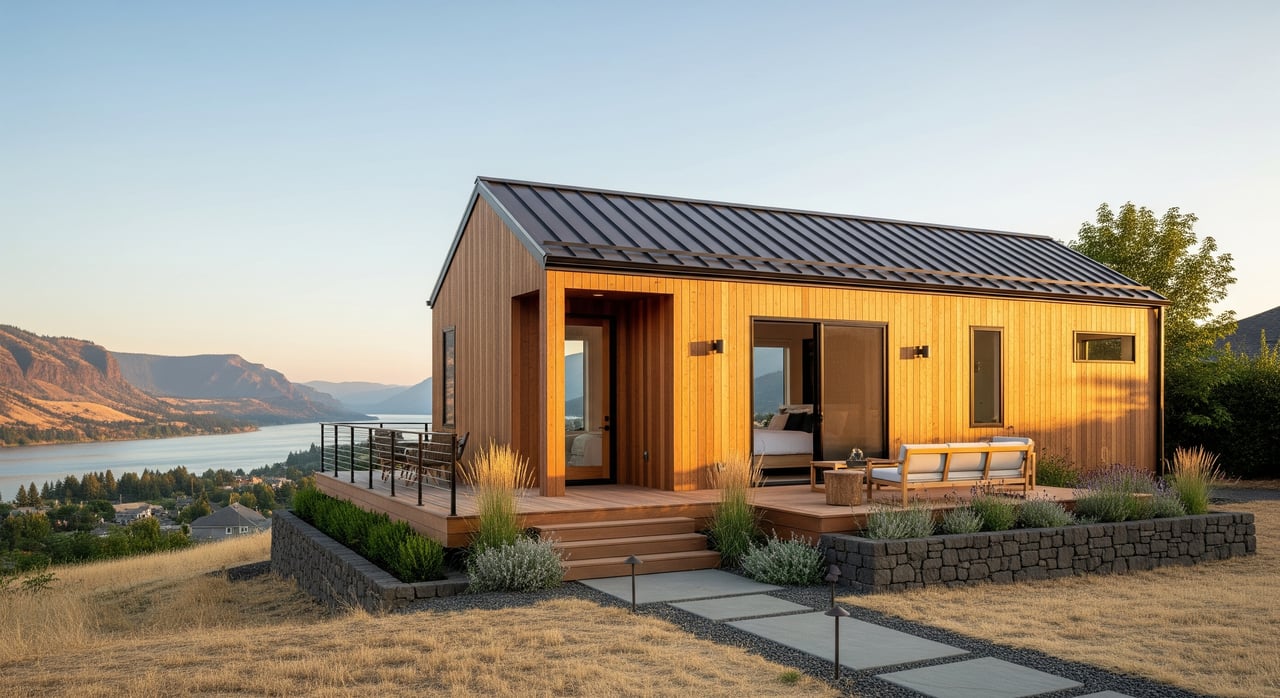
ADU Basics In The Dalles: What Buyers Should Know
December 18, 2025
December 18, 2025
Thinking about buying in The Dalles with hopes of adding an ADU, or buying a home that already has one? You’re not alone. ADUs can support multigenerational living, create rental income, and boost long‑term value when they are properly permitted and planned. In this guide, you’ll get a clear checklist to use while touring homes, a practical overview of the local process, and the utility and site details that most often make or break an ADU plan. Let’s dive in.
An accessory dwelling unit is a secondary housing unit on the same lot as a primary home. It must provide independent living functions like sleeping, cooking, sanitation, and safe egress. You’ll see four common configurations in and around The Dalles.
Rules on size, height, and lot coverage differ by jurisdiction. Local code controls, and updates are possible as housing policy evolves in Oregon. Always verify current standards before you buy.
The first step is understanding who regulates your parcel.
Local utilities should be part of your early checks. Capacity, connection availability, and fees can affect feasibility and budget.
Zoning and lot eligibility check: confirm that an ADU is allowed and identify dimensional limits and setbacks.
Pre‑application or planning review: use this to surface constraints early, especially on complex or sloped sites.
Site plan and design review: show location, access, parking, utilities, and drainage.
Building permits: submit architectural, structural, mechanical, plumbing, electrical, and energy code documentation.
Utility approvals: secure water and sewer connection permits or septic approvals; confirm any meter upgrades.
Inspections and final approval: complete required inspections and obtain a Certificate of Occupancy.
Local reviewers focus on setbacks, height, lot coverage, and maximum unit size. They also review parking requirements, owner‑occupancy limits if any, and short‑term rental rules. Sewer or septic capacity, fire separation, and life‑safety requirements such as egress and alarms are standard checkpoints.
ADU projects often hinge on unseen conditions. Bring these to the front of your due diligence.
Inside city limits, many properties connect to municipal sewer. Confirm the location of the sewer main, existing lateral, and any capacity issues. Outside city limits, rural parcels typically use on‑site septic systems. Adding an ADU often requires a septic evaluation, and older or undersized systems may need replacement or expansion before an ADU is approved.
Request sewer service records or septic permits, as‑builts, and maintenance histories. These documents help you forecast costs and timelines.
Confirm whether the property uses municipal water or a private well. An ADU can trigger the need for a larger water meter or a second meter, along with connection fees. For wells, check permitted capacity and pump adequacy.
Review main service size and panel capacity. An ADU may require panel upgrades, a new feeder, or a separate meter. If you plan gas appliances or heating, verify natural gas availability and routing costs.
Look at driveway width, slope, and the ability to create a separate entrance. Some parcels face emergency access constraints. Parking rules vary, and some communities adjust requirements for ADUs to support housing goals. Confirm The Dalles’ current standard for your specific parcel.
Sloped sites can increase foundation, grading, and erosion control costs. Additional impervious surface may also trigger stormwater management measures. In areas with challenging soils, you may need soils or perc testing, especially for septic upgrades.
Historic districts or design overlays can add review steps and materials standards. Wildfire hazard zones and fire department access may require defensible space or specific construction details. Expect enforcement of fire separation and alarm requirements during inspection.
Lenders typically view permitted ADUs positively, especially when you can document compliance and income potential. Unpermitted units can complicate appraisals and underwriting. If you plan to build after closing, ask about renovation or construction loan options and documentation needs.
Insurers expect permitted, code‑compliant ADUs. Unpermitted or uninspected units may be excluded from coverage or carry higher premiums. Contact your carrier about how the unit will be insured and whether it is treated as part of the main dwelling or a separate dwelling for liability.
ADUs can increase assessed value. Speak with the Wasco County Assessor about how accessory units are assessed. For rentals, note that long‑term renting is generally allowed where ADUs are permitted, but registration, inspection, or licensing rules may apply. Short‑term rentals can have separate city or county restrictions. Confirm both owner‑occupancy requirements and short‑term rental rules before you buy.
Timelines vary by site and scope, but a few patterns hold true.
Major unpredictable cost drivers include septic replacement or expansion, electrical service upgrades, water meter changes, retaining walls or rock excavation, and drainage improvements. Build contingencies into your budget for these items.
Ask for building permits and a final Certificate of Occupancy to confirm the ADU is recognized by the jurisdiction. Review as‑built drawings, site plans, and any electrical, plumbing, or septic permits tied to the unit. Check rental history, license records if applicable, and recent utility bills to understand performance and operating costs.
If the ADU is unpermitted, plan for the possibility of bringing it up to code. Factor in potential construction, inspection, and utility upgrade costs and discuss implications for financing and insurance.
If an ADU is part of your plan in The Dalles or Wasco County, start by validating zoning, utilities, and site constraints for the specific property you like. Then map your permitting path, budget for utility and site contingencies, and line up the right financing and insurance.
Need a second set of eyes on a listing or want help coordinating questions with local planning and utility staff? Reach out to Chrissy & Brock Wood for local guidance rooted in practical ADU experience across the Gorge.
Stay up to date on the latest real estate trends.
Chrissy and Brock cover a lot of real estate ground and knowledge and have the experience and expertise to do it all. They also have established relationships and connections with local resources to help ensure that clients are well taken care of before, during, and after a transaction.
BROCK & CHRISSY WOOD
Chrissy Wood - Licensed in WA & OR
(425) 418-3988
Brock Wood - Licensed in WA & OR
(509) 637-4400
315 Oak St Ste 200 Hood River OR 97031