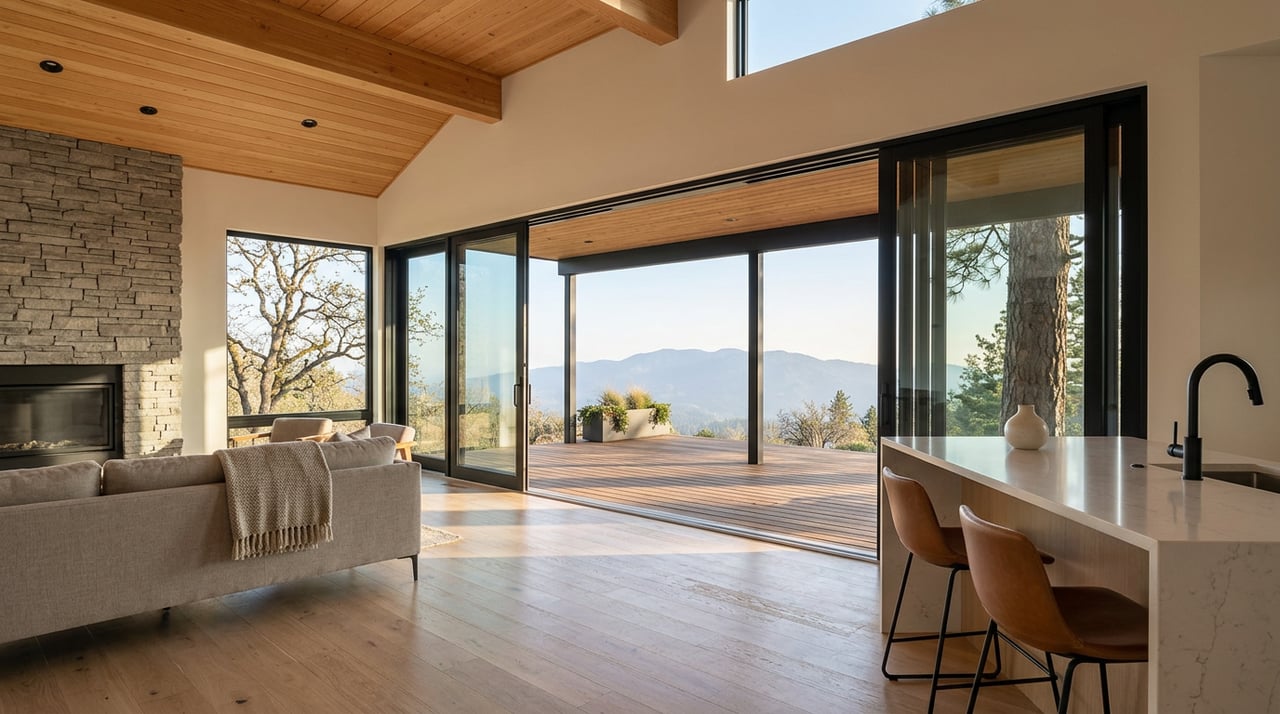
How to Sell a Goldendale WA View Home With Confidence
March 24, 2026
March 24, 2026
Ready to turn your Goldendale view into real value? If you are selling a home with sweeping horizons or acreage, the right prep and presentation can be the difference between curiosity and strong offers. You want a plan that respects rural buyer needs, highlights your view from every angle, and removes friction before it shows up in escrow. In this guide, you will learn how to gather the right documents, showcase the view with pro-level media, price with confidence, and time your launch. Let’s dive in.
Goldendale’s market behaves like a small-town rural market with fewer sales and more variety in property types. Public portals can show different short-term medians, which is a sign to lean on local comps and a local agent for pricing. Expect some volatility and plan your strategy around that reality.
Your likely buyer pools include lifestyle and second-home buyers, remote workers seeking space, and retirees drawn to quiet living. Many of them come from nearby metros like Portland, the Tri-Cities, and The Dalles. Targeting these areas expands your reach and taps into broader demand supported by regional buyer trends in recent years. See the broader context in the National Association of Realtors’ recent research update on metro-to-rural demand shifts and remote work patterns: regional buyer trends.
Serious buyers of view and acreage homes scrutinize utilities, access, and hazards. When you provide clear documentation up front, you build trust and reduce surprises.
Most residential sellers in Washington must complete a statutory disclosure that asks about wells, on-site sewage systems, easements, and known environmental issues. Deliver it early and attach any reports you have. Review the requirements here: Washington seller disclosure law. Be accurate and complete.
If your property has an on-site septic system, buyers will ask for the permit/as-built and service records. Pull what you can from the county and your files. Start here: Klickitat County On-Site Septic Program.
For wells, gather the well log, pump test or flow information, and any water quality tests or water right documentation. The county provides a helpful overview for owners here: Homeowner’s guide to well construction.
Rural service levels vary. Document electric service with the local provider, plus garbage, broadband options, and any private road or maintenance agreements that affect access costs. A simple summary helps buyers evaluate fit. See the utility landscape at Klickitat PUD services and rates.
Provide a short summary of any defensible-space work or home-hardening you have completed for wildfire resilience. The state continues to expand homeowner-focused wildfire programs such as Wildfire Ready Neighbors. For flood risk, check your parcel on FEMA’s flood map viewer and be ready to discuss insurance implications if applicable. Radon testing is recommended in homes; if you have results, include them in your packet.
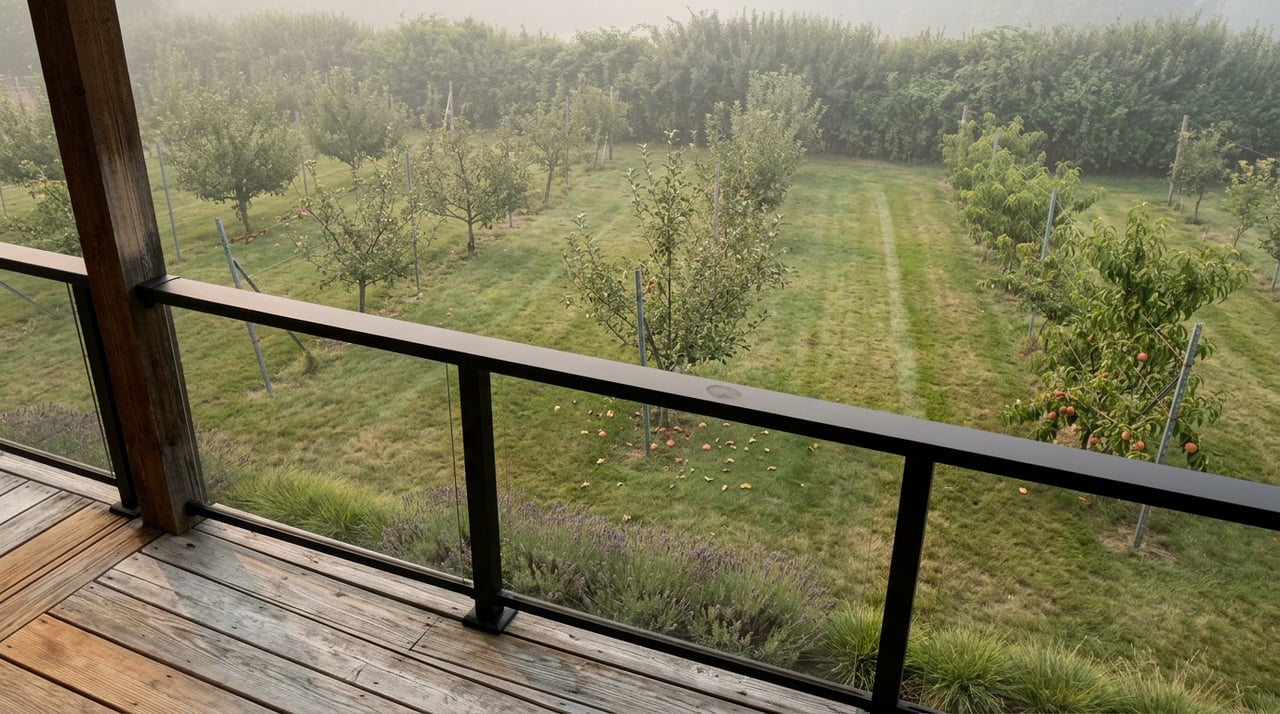
Your goal is to make the view feel immediate, livable, and valuable. Strategic staging and professional media help buyers connect emotionally and make faster, stronger decisions.
Focusing your staging around view corridors and outdoor living areas helps buyers visualize daily life with the view. Industry research shows well-executed staging can reduce time on market and support higher sale prices. Learn more in NAR’s overview: home staging benefits.
Ask your photographer to use HDR or bracketed exposures to keep window views crisp. Avoid ultra-wide distortion that misleads on room size. Schedule shoots for early morning or late afternoon, especially in summer when haze can soften visibility. If smoke is heavy, wait for a clear window and re-shoot.
Aerials are essential for view and acreage context. Hire a Part 107-certified operator who can confirm airspace and insurance. Review the FAA rules here: commercial drone regulations. Some scenic or recreation sites in the Columbia River Gorge can have aircraft restrictions at times, so verify location-specific rules before scheduling.
Remote and out-of-area buyers often start online and may write offers sight unseen. A 3D tour and accurate floor plan reduce uncertainty and help buyers understand flow and scale. Short vertical reels also boost social reach.
There is no universal percentage for a “view premium.” Studies show view value varies based on type, proximity, and market conditions. The best path is to quantify paired sales locally, document comparable sightlines, and align with a local appraiser or agent who understands how view value trades in a small market. For background on how views are valued in academic work, see this overview: pricing residential amenities and views.
Many sellers aim for a late winter to spring launch to capture peak buyer activity. In Goldendale, also consider wildfire and smoke season, which can limit open houses and photo quality. If listing in summer, plan to capture exterior and aerial images on a clear spring or fall day, then hold them for your go-live.
Use full MLS distribution, a strong broker property page with downloadable PDFs, and portal syndication. To reach likely buyers, run geo-targeted ads to Portland, the Tri-Cities, and The Dalles. Share short lifestyle reels that spotlight stargazing, outdoor living, and usable acreage. Direct outreach to regional broker networks and interest groups can also help.
Presentation must-haves
Documents to include
Marketing and distribution
When you are ready to sell, you deserve a team that knows how to translate a Goldendale view into measurable results. Our marketing-first approach brings professional media, smart distribution, and local knowledge together so you can move with confidence. If you want a tailored plan for your property, connect with Chrissy & Brock Wood for a complimentary consultation.
Stay up to date on the latest real estate trends.
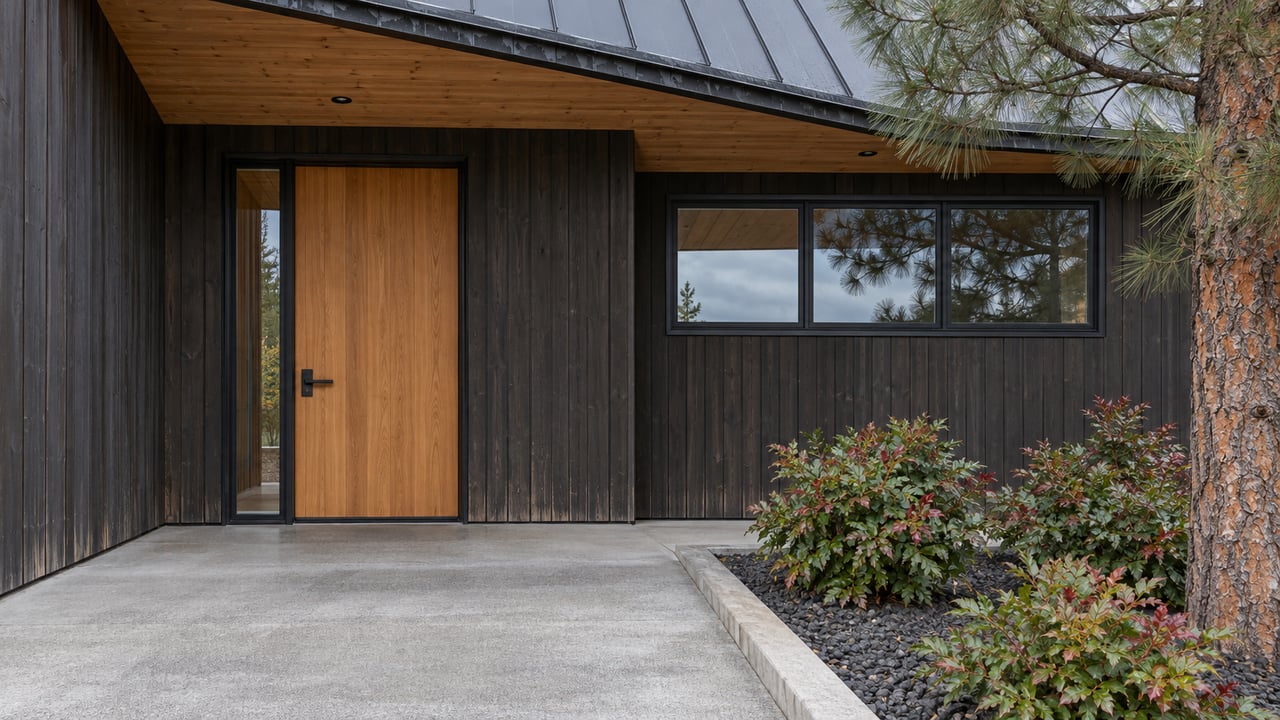
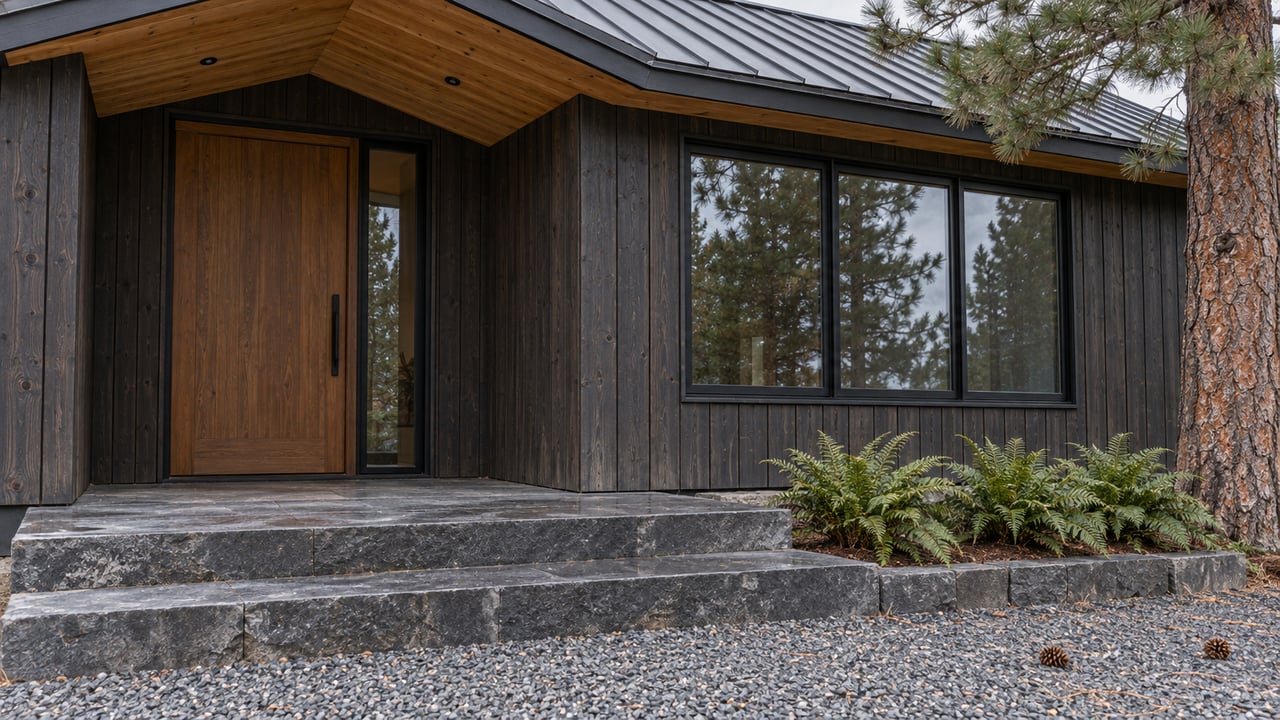
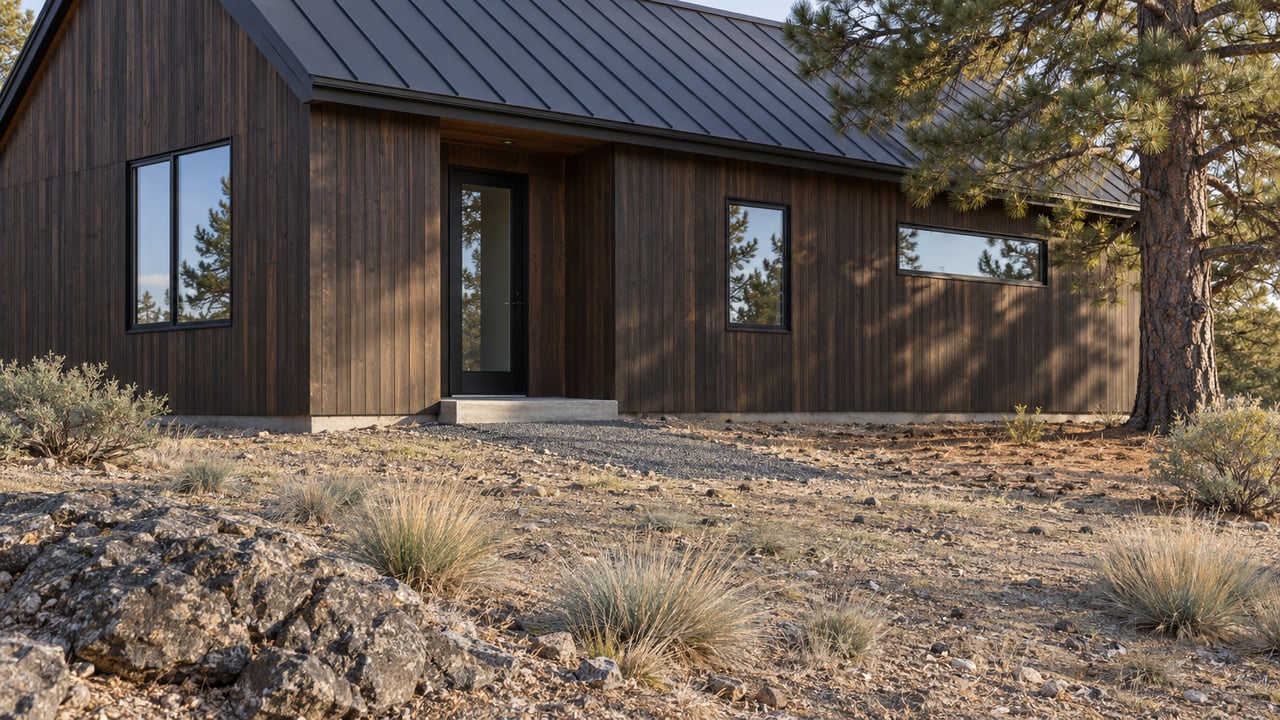
Chrissy and Brock cover a lot of real estate ground and knowledge and have the experience and expertise to do it all. They also have established relationships and connections with local resources to help ensure that clients are well taken care of before, during, and after a transaction.
BROCK & CHRISSY WOOD
Chrissy Wood - Licensed in WA & OR
(425) 418-3988
Brock Wood - Licensed in WA & OR
(509) 637-4400
315 Oak St Ste 200 Hood River OR 97031