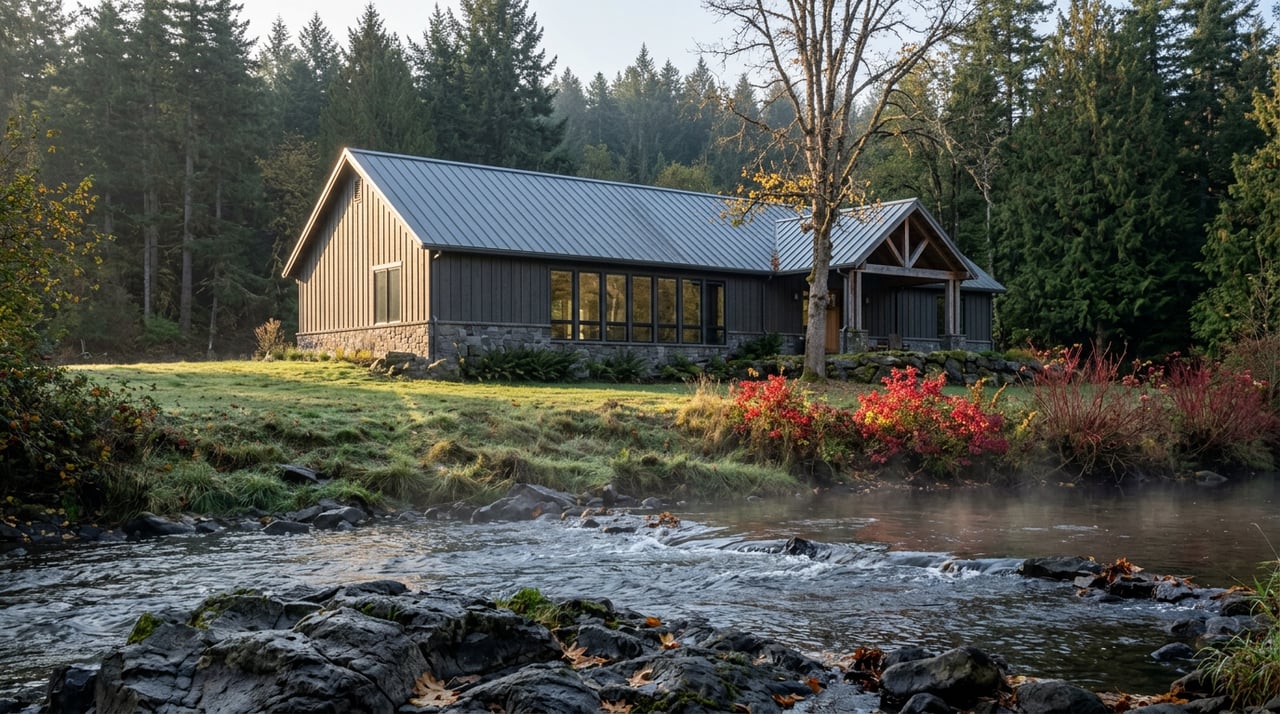
Klickitat River Fall Fishing Season 2026: Hatchery Access and River Rules
September 10, 2026
September 10, 2026
Is the hatchery open yet? That question has been circulating around Canyon Market and the Klickitat Community Facebook page since spring, and if you're asking it this week, the answer is that access remains closed during construction.
Canyon Days wrapped up in July, the town's loudest and most crowded stretch of the year now behind it. What replaces that noise every September is quieter and more personal: the river itself, the fall run, and the small daily decisions locals make about where to put in a boat or whether the shuttle is running. This year, those decisions come with more uncertainty than usual, because restrictions tied to the hatchery work remain in place.
Back in March, the Washington Department of Fish and Wildlife issued an emergency rule change affecting the Klickitat River. As Gorge News Center reported, the reason traced back to the Klickitat Salmon Hatchery, where the Confederated Tribes and Bands of the Yakama Nation have been leading a modernization project. During construction, the hatchery's fish ladder went offline, which meant the usual method of collecting adult salmon for the next generation of hatchery stock stopped working. Fishery managers needed a backup, and they found one at the Lyle Falls adult trap, downstream near the mouth of the Klickitat Gorge.
To make that backup plan work, WDFW had to reduce pressure on the fish moving upriver toward Lyle Falls. That is what triggered the restrictions, not a blanket shutdown of the river but a set of stretch-specific rules tied directly to where broodstock needed to pass undisturbed.
| Stretch of river | What changed | Since when |
|---|---|---|
| Mouth to Fisher Hill Bridge | Daily limit cut to two hatchery steelhead or salmon, max one adult; open Mondays, Wednesdays, Saturdays only; closed outright May 21 through June 30 | April 1, 2026 |
| 400 feet above Lyle Falls Fishway to Glenwood Highway Bridge (Leidl access) | Daily limit set at six, including no more than one adult salmon | May 23, 2026, until further notice |
| Glenwood Highway Bridge upstream to boundary markers below the hatchery | Salmon fishing closed | May 23, 2026, until further notice |
That last column matters more than it looks. Two of these three rules were never given an end date. They were written as "until further notice," which is regulatory language for we'll tell you when this changes, and as of everything in the public record, nobody has.
The construction timeline for the hatchery itself has always been described the same way: expected to be completed by fall 2026, with public access reopening once the project is finished. That is a target, not a confirmed date. Nothing published so far pins the reopening to a specific week, and the parking areas, river access points, and portage routes on hatchery grounds remain closed for the duration of construction, however long that turns out to be.
This creates a gap that's easy to miss if you're not paying attention to the fine print. The fish do not wait for construction schedules. Salmon and steelhead move on their own calendar, and that calendar says now. The hatchery grounds, on the other hand, move on a construction calendar, and nobody has said that calendar hit fall yet. Treating those two things as the same event is the mistake. You can have a strong fish run and a still-closed hatchery access point at the same time, and based on everything confirmed publicly, that is exactly where things stand heading into September.
If you fish the stretch near the hatchery out of habit, or you're used to launching from Glenwood Highway Bridge, the safest assumption right now is that nothing has changed since May. Check the WDFW rule change page before you load the boat, not after.
None of this means the season is a wash. The U.S. Forest Service describes fishing on the lower Klickitat as particularly exceptional from July through September, when the glacier-fed water runs clear, and early September still puts you inside that window, not past it. The stretches away from the hatchery zone, including the six-fish middle section near Lyle Falls, remain productive water for anglers willing to work around the closed section rather than through it.
This is also the section of river where dip-net fishing continues much as it has for generations. Native peoples have used dip-nets in the Columbia Basin since before recorded history, and the Klickitat Gorge is one of only two places in the region, alongside Sherar's Falls on the Deschutes, where that traditional method has continued in a form similar to how it operated before the dams went in. The fishing platforms scattered through the gorge are registered to specific families and groups through a tribal administrative office, some with claims going back generations. It's a detail that gives the whole stretch a different weight than just another good fishing spot, and it's worth knowing if you're new to the area and wondering why certain platforms along the canyon walls are never for sale or rent.
For day-to-day river information, Canyon Market on Main Street posts current water levels and daily fish counts for anyone who walks in or calls ahead. The market also offers groceries, deli food, hunting and fishing licenses, and shuttle bookings for drift boat trips down the river.
For guided trips, Zoller's Outfitting has been a fixture long enough that it's now on its third generation, with Levi Zoller guiding the same water his grandfather Phil and father Tracy fished before him. Twelve years of guiding on one stretch of river can offer a close local perspective on where the fish are holding, alongside agency bulletins and construction updates.
The Klickitat Community Facebook page rounds out the loop, with residents posting river condition photos and updates in something close to real time. Between those three, this small town runs its own informal reporting system, with updates from people who are on the water or behind the counter every day.
Canyon Days gave Klickitat its loud identity for one weekend in July: parade down Highway 142, the Ducky Derby off the town river access at the end of 1st Street, live music on the community center field. That's the version of the town visitors see. The version that runs from Labor Day through fall is quieter and built almost entirely around the river's own schedule, not a festival committee's.
That's worth sitting with if you already call Klickitat home. The town doesn't slow down in September so much as it changes what it's paying attention to. Boat traffic on the water becomes the real gauge of the season, not a calendar of events. And this particular September, that gauge comes with an asterisk: watch the river, but don't assume the hatchery gate is unlocked just because the leaves are starting to turn.
If you're weighing what it actually means to own property along a working stretch of river like this, from access rights to how a place like the Klickitat Wildlife Area shapes what's next door, our guide to owning a fishing getaway home in Klickitat goes deeper into the specifics. And if you're simply curious what else defines life in this stretch of the Gorge, our Klickitat neighborhood page is a good next stop.
Chrissy and Brock Wood live and work in these towns, not just around them, and they hear about river conditions through neighbors, Canyon Market, and the town's own informal network, alongside updates from official sources. If you're thinking about what it would take to make a place like this your home base, Gorge Homes & Land would be glad to talk through it. Get your instant home valuation or schedule a complimentary consultation whenever you're ready.
This article is general information, not legal, tax or financial advice. Consult a qualified professional about your situation.
Stay up to date on the latest real estate trends.
Chrissy and Brock cover a lot of real estate ground and knowledge and have the experience and expertise to do it all. They also have established relationships and connections with local resources to help ensure that clients are well taken care of before, during, and after a transaction.
BROCK & CHRISSY WOOD
Chrissy Wood - Licensed in WA & OR
(425) 418-3988
Brock Wood - Licensed in WA & OR
(509) 637-4400
315 Oak St Ste 200 Hood River OR 97031