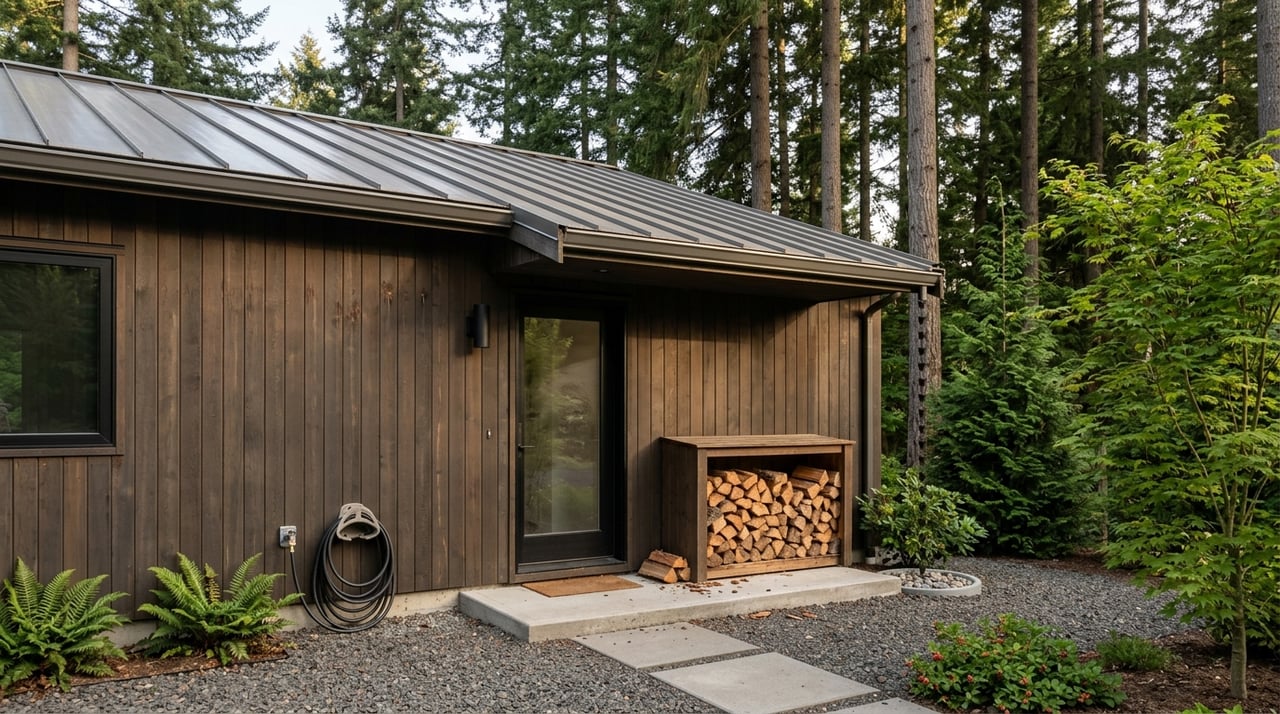
Owning A Fishing Getaway Home In Klickitat, Washington
May 14, 2026
May 14, 2026
If your ideal weekend starts before sunrise with coffee in hand and a rod in the truck, owning a fishing getaway home in Klickitat might feel less like a dream and more like a smart next step. This part of the Gorge offers a rare mix of river access, outdoor recreation, and small-town simplicity, but buying here also comes with rural property details you do not want to gloss over. In this guide, you’ll learn why Klickitat appeals to anglers, what to look for in a second-home property, and which local rules can shape how you use it. Let’s dive in.
Klickitat County is known as a gateway to the Columbia River Gorge and a year-round recreation destination. County tourism information highlights fishing, hiking, biking, rafting, windsurfing, cross-country skiing, and snowmobiling, which gives you a sense of how outdoor-focused the area is.
For fishing-minded buyers, the Klickitat River is the real anchor. Washington Department of Fish and Wildlife notes that the Klickitat River corridor supports summer-run steelhead and also has spring Chinook and bull trout, while Klickitat County describes the river as Washington’s second-longest undammed river with significant trophy salmon and steelhead.
That matters if you are looking for more than a cabin with pretty views. A strong getaway home works best when the surrounding area gives you repeat reasons to come back, and in Klickitat, the river is a big part of that draw.
When you picture a fishing basecamp, it is easy to focus on the home itself. In practice, your experience may depend just as much on how easily you can reach the water, launch a boat, park, and move around during different seasons.
WDFW says the Mineral Springs Wildlife Area Unit includes a campground and boat ramp along the Klickitat River about 1.7 miles upstream from the town of Klickitat. The Forest Service also notes that the Klickitat Trail follows the river through Klickitat and into the Gorge, which adds another layer of recreational access and scenery.
For buyers, this creates a practical checklist. A home that is reasonably close to access points, has straightforward parking, and feels easy to lock up and return to can be more useful than a property that looks appealing online but is harder to use in real life.
A fishing getaway only works if you understand the logistics that come with the fishery. In Washington, anglers age 16 and older need a fishing license, and salmon and steelhead fishing also requires catch record cards.
WDFW also states that as of January 1, 2026, anglers age 15 and older must have the Columbia River salmon and steelhead endorsement to fish for salmon and steelhead in the Columbia River and many Washington tributaries, including the Klickitat River. If your plan is to use the home often during salmon or steelhead seasons, this is part of the ownership picture.
Just as important, local regulations can change quickly. WDFW emphasizes checking the annual pamphlet, the Fish Washington app, and emergency rule updates, and the Klickitat River has seen emergency changes affecting adult salmon limits and closures in parts of the river.
Fishing is not the only seasonal factor to think about. The wider recreation pattern around Klickitat can also shift with weather and fire season conditions.
The Forest Service says the Swale Canyon portion of the Klickitat Trail is usually closed from June through October because of fire danger. Even if your main goal is river time, this is a good reminder that access, nearby recreation, and travel habits can vary during the year.
That does not make a Klickitat getaway less appealing. It simply means the best second-home buyers plan around seasonality instead of assuming every month will feel the same.
If you are comparing a small cabin, a simple home, and a raw parcel, the existing home will often be the easier path. Klickitat County’s rural property guidance makes clear that utilities are one of the biggest variables in the buying process.
Sewer service is generally not available in rural areas, private wells are common, water quantity and quality can vary by location and season, and extending power or telephone service into remote areas can be expensive. For a getaway property, those details affect both your upfront costs and your long-term ease of ownership.
That is why many buyers find that a compact existing home with established water, septic, and access is more practical than starting from scratch. It may not be as romantic as buying land and building later, but it can be a much cleaner path to actually using the property.
In Klickitat, septic and water are not side notes. They are central to the decision.
The county’s on-site septic program states that proof of wastewater disposal is required before a building permit is issued. Some qualifying sites may allow a simple gravity system designed by the homeowner, but other systems require a licensed designer or engineer, and standard gravity systems typically need evaluation and pumping every three years.
Washington’s Department of Health also notes that septic systems are common in rural areas and that poor maintenance can hurt property value and water quality. If you are buying a second home that may sit empty part of the year, you will want a clear picture of the septic system’s condition, service history, and expected maintenance needs.
Water deserves the same level of review. Since wells are common and seasonal variation can happen, it is worth understanding not just whether water exists, but how reliable it is for the way you plan to use the home.
Not every parcel in rural Klickitat is buildable, and not every attractive lot works the way buyers expect. The county advises buyers to verify easements, property lines, and water rights, and to understand whether shoreline or critical-area rules apply near creeks, streams, rivers, and wetlands.
There is another layer if the parcel falls within the Columbia River Gorge area. In those cases, Gorge Commission rules may be more restrictive than county rules.
If your plan is to buy a modest home now and expand later, or buy land for a future cabin, these details matter early. A property’s long-term value is tied not just to location, but to what you can legally and practically do with it.
A getaway home should feel easy to reach, not stressful to get into. Klickitat County notes that many rural properties rely on private access roads, some county roads are not maintained year-round, emergency response times cannot be guaranteed in rural areas, and winter travel may require four-wheel drive and chains.
For a fishing property, this matters more than many buyers first assume. You may be arriving in the dark, towing gear, visiting in shoulder seasons, or planning quick weekend trips where convenience really counts.
A smart showing checklist should include questions like these:
Second homes have their own rhythm, especially in rural areas. County guidance notes that repairs in rural locations can take longer than in urban areas, well water conditions can vary by season, and septic systems need regular monitoring.
That points most buyers toward simplicity. A lower-maintenance property with dependable systems, easy shutoff routines, and realistic service access tends to fit seasonal ownership better than a more complicated home with fragile infrastructure.
When you tour properties, try to picture arrival and departure days. The best fishing getaway is not just enjoyable when you are there. It should also be manageable when you are away.
Some buyers hope their getaway home can also produce occasional income. That can be part of the conversation, but in Klickitat, you need to verify the legal framework before you rely on it.
Washington law defines a short-term rental as lodging for fewer than 30 consecutive nights and requires operators to remit applicable taxes, provide safety information, and maintain at least $1 million in primary liability coverage or use a platform that provides equivalent coverage. Washington also treats stays of 30 days or longer under a different lodging category.
Klickitat County adds an important local wrinkle. Under the county’s zoning ordinance, the ADU section says that neither the principal unit nor the ADU may be used as a short-term vacation rental, and it defines that term as fewer than 60 consecutive days in a single 12-month period.
That means you should not assume every cabin or small home can be used for guest-night income in the same way. If rental flexibility matters to you, the parcel’s exact zoning should be confirmed before you make a decision.
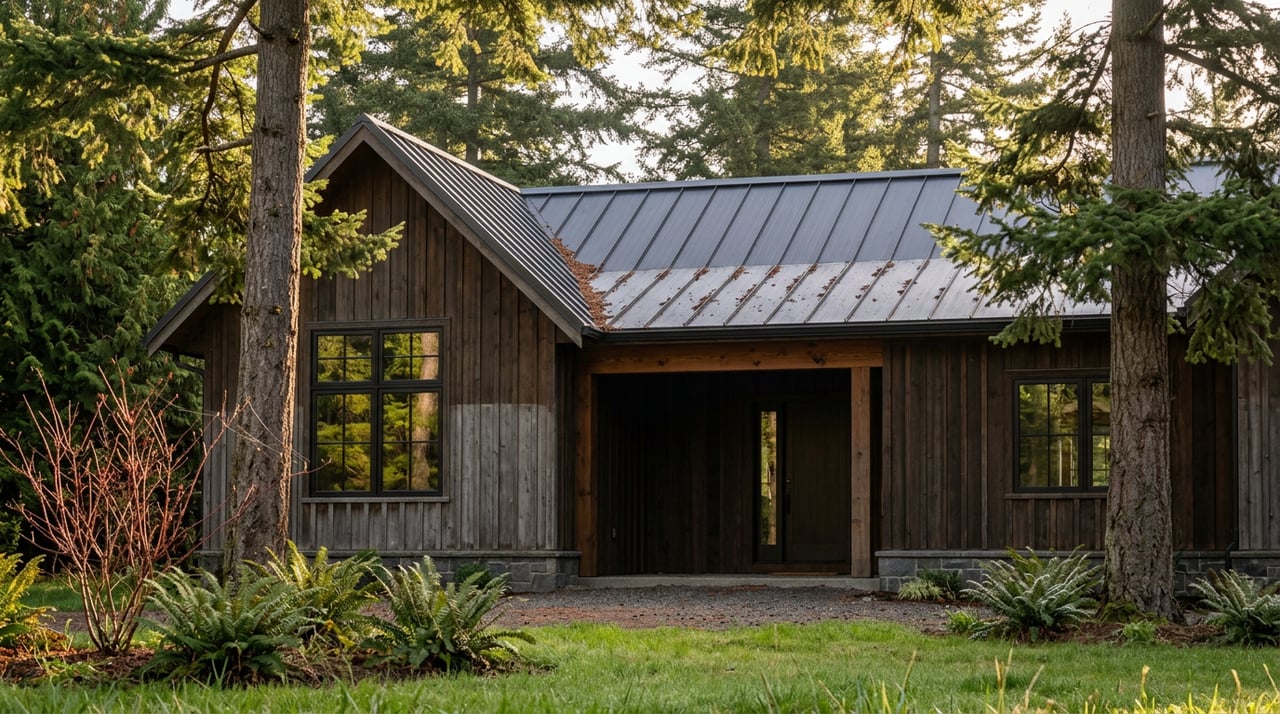
For many buyers, the sweet spot in Klickitat is a smaller existing home or cabin with the basics already in place. That usually means established access, a functioning septic system, dependable water, and a location that makes river use easy without making ownership complicated.
This kind of property often supports the real goal of a fishing getaway better than a more ambitious project. You spend less time solving infrastructure questions and more time enjoying the river, the Gorge setting, and the flexibility of having your own place to return to.
If you are weighing options in Klickitat, it helps to look beyond charm and focus on usability. The right property should support how you actually want to live, fish, travel, and maintain a second home over time.
Owning a fishing getaway in Klickitat can be incredibly rewarding when the property matches the reality of rural ownership. If you want help sorting through cabins, small homes, or land opportunities in the Gorge, Chrissy & Brock Wood can help you evaluate the details that matter most.
Stay up to date on the latest real estate trends.
Chrissy and Brock cover a lot of real estate ground and knowledge and have the experience and expertise to do it all. They also have established relationships and connections with local resources to help ensure that clients are well taken care of before, during, and after a transaction.
BROCK & CHRISSY WOOD
Chrissy Wood - Licensed in WA & OR
(425) 418-3988
Brock Wood - Licensed in WA & OR
(509) 637-4400
315 Oak St Ste 200 Hood River OR 97031