Selling Orchard And Farm Properties In Parkdale
July 2, 2026
July 2, 2026
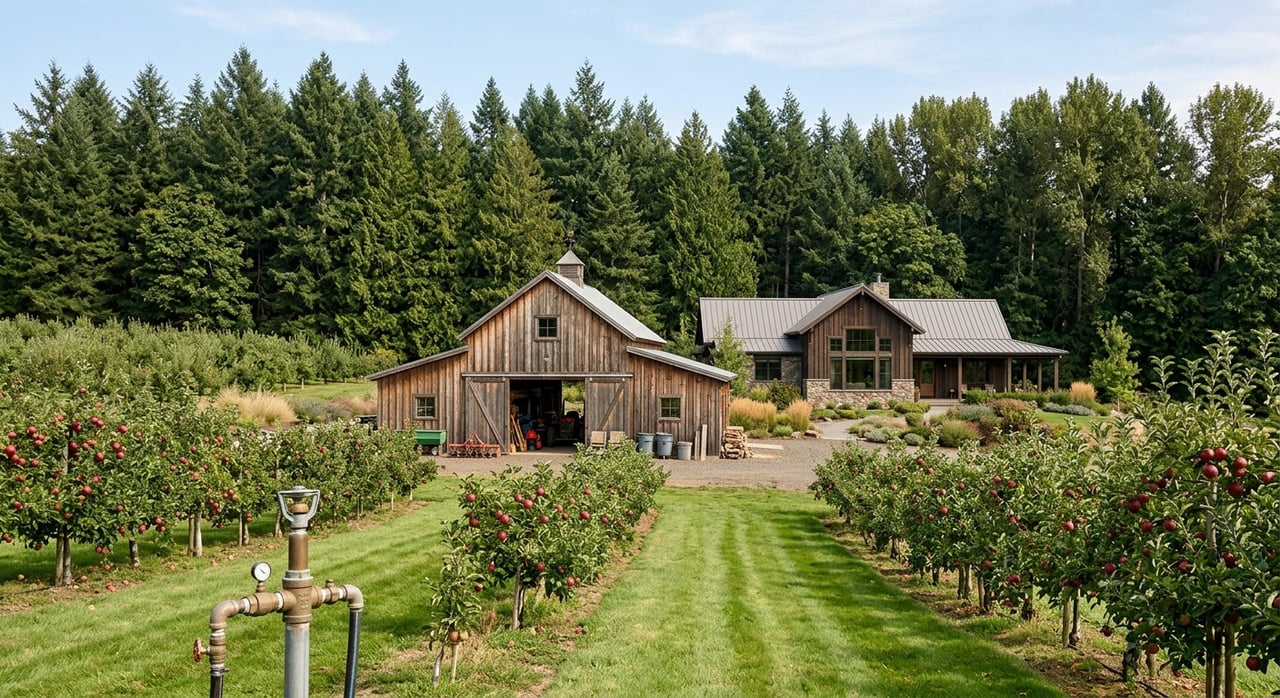
If you are selling an orchard or farm in Parkdale, you are not just putting a house on the market. You are selling water, working ground, improvements, access, and a very specific way the property functions day to day. That can feel like a lot to organize, but it is also where strong preparation can set your listing apart. In this guide, you will learn what buyers look for, which records matter most, and how to present your Parkdale property clearly and confidently. Let’s dive in.
Parkdale sits in the upper Hood River Valley, where agricultural use and scenic value often overlap. Hood River County’s 2024 Parkdale Community Plan formalized the community designation and reflects the county’s effort to balance agricultural, natural, scenic, and recreational resources within the Columbia River Gorge National Scenic Area.
That matters when you sell. Buyers may be drawn to Mt. Hood views and the rural setting, but they are also evaluating the property as working land. In Parkdale, a listing often needs to tell two stories well: how the property lives and how the property works.
The broader county supports that reality. According to the USDA 2022 Census of Agriculture, Hood River County had 497 farms, 26,623 acres in farms, and $134.6 million in agricultural product sales, with fruits, tree nuts, and berries accounting for $117.0 million. In practical terms, buyers in this market often look closely at production acres, irrigation, crop mix, and farm improvements, not just the home itself.
The best Parkdale listings are usually the best documented. When buyers can quickly review the key facts of the property, they can make decisions faster and with more confidence.
A strong due diligence file helps reduce confusion and keeps the property from looking harder to evaluate than it really is. It also helps your marketing tell a clear, complete story from the start.
For many buyers, water is the first major question. Oregon Water Resources Department says water rights convey with the sale unless they are specifically excluded, but any change to place of use, character of use, or point of diversion requires an approved transfer.
That means you should gather your water-right records early. If irrigation is part of the property’s value, buyers will want to understand what rights exist, how they attach to the parcel, and how the system serves current production.
Hood River County Soil and Water Conservation District notes that irrigation rights are appurtenant to parcels, annual irrigation district charges apply, and sellers should verify which district serves the property. Hood River County has five main irrigation districts, and surface water irrigation is limited to the local season from April 15 through October 1.
If the property has a domestic well, Oregon’s Domestic Well Testing Act requires the seller or representative to test for arsenic, nitrate, and coliform bacteria during the real estate transaction. Test results are valid for one year.
Some wells are exempt, including spring wells, irrigation-only wells, and wells on undeveloped land. Still, if your sale includes a rural home with a domestic well, current testing is an important item to line up before the listing goes live.
Septic documentation is just as important. In Hood River County, Environmental Health handles septic site evaluations, permits, and inspections for systems under 2,500 gallons per day, and a permit is required before septic construction, alteration, or repair.
Zoning can shape how buyers understand the property’s current use and future options. Hood River County’s EFU zone is intended to preserve agricultural land for food, fiber, and livestock production, and the county’s use table allows buildings customarily provided in conjunction with farm use, including agricultural buildings and equine facilities.
Tax status also deserves careful review before listing. Oregon’s special-assessment rules warn that farmland may incur additional taxes if it is disqualified from farm-use assessment, and if disqualification results from a sale or transfer, the lien attaches as of the day before the transfer.
This is one reason clear pre-listing review matters. If there are questions about assessment status, buyers will want to know how that affects the transaction.
In Parkdale, small details can carry real weight. Parcel boundaries, zoning overlays, special districts, irrigation districts, and road access can all affect buyer expectations.
Hood River County’s GIS hub can help verify tax lots, special districts, and zoning before you list. Matching your listing packet to those county-verified details can make the property easier for buyers to understand and easier for your agent to market accurately.
When buyers tour orchard and farm properties, they are often assessing operational value as much as visual appeal. A clean home matters, but so does a clear picture of what is planted, what is improved, and what is usable.
That is why it helps to inventory the working parts of the property separately from the residence. Doing this up front gives buyers a more complete view of what they are actually purchasing.
Your listing file should clearly identify the core farm assets. That may include:
This kind of organization reflects how buyers evaluate Parkdale properties. In a county where fruit and tree crops dominate agricultural sales, a buyer often wants to see the farm systems laid out plainly rather than buried inside general home marketing.
Good records can help buyers feel that the property has been responsibly managed. That does not guarantee value on its own, but it can remove uncertainty.
Hood River County lies within a state agricultural water-quality management area intended to prevent and control water pollution and soil erosion. These rules apply not only to active agricultural land, but also to idle rural land and forested land with agricultural activities.
For orchards, Oregon also maintains a Hood River County control area for insect pests and diseases in fruit trees, including apple scab, fire blight, codling moth, pear psylla, apple maggot, and oriental fruit moth. If you can provide spray records, pruning history, drainage upkeep, and erosion-control information, you give buyers a stronger due diligence package.
Access is easy to overlook until a buyer asks detailed questions. If the property includes driveway work, culverts, utility extensions, road approaches, or irrigation pipe in the right-of-way, permit history can become important.
Hood River County Public Works requires permits for county-road and local-access-road work, including driveway connections and road approaches. If you have completed this type of work, it is smart to gather any related approvals before listing.
One of the biggest mistakes in rural property marketing is treating an orchard or farm like a standard home listing with a few land photos added in. In Parkdale, that usually leaves important value unspoken.
A stronger approach is to market the property as a system. That means presenting the home, land, water, improvements, access, and setting as connected parts of one story.
Parkdale’s appeal is not only practical. The landscape is part of the value buyers see, and Hood River County’s planning framework recognizes the balance of agricultural, scenic, natural, and recreational resources.
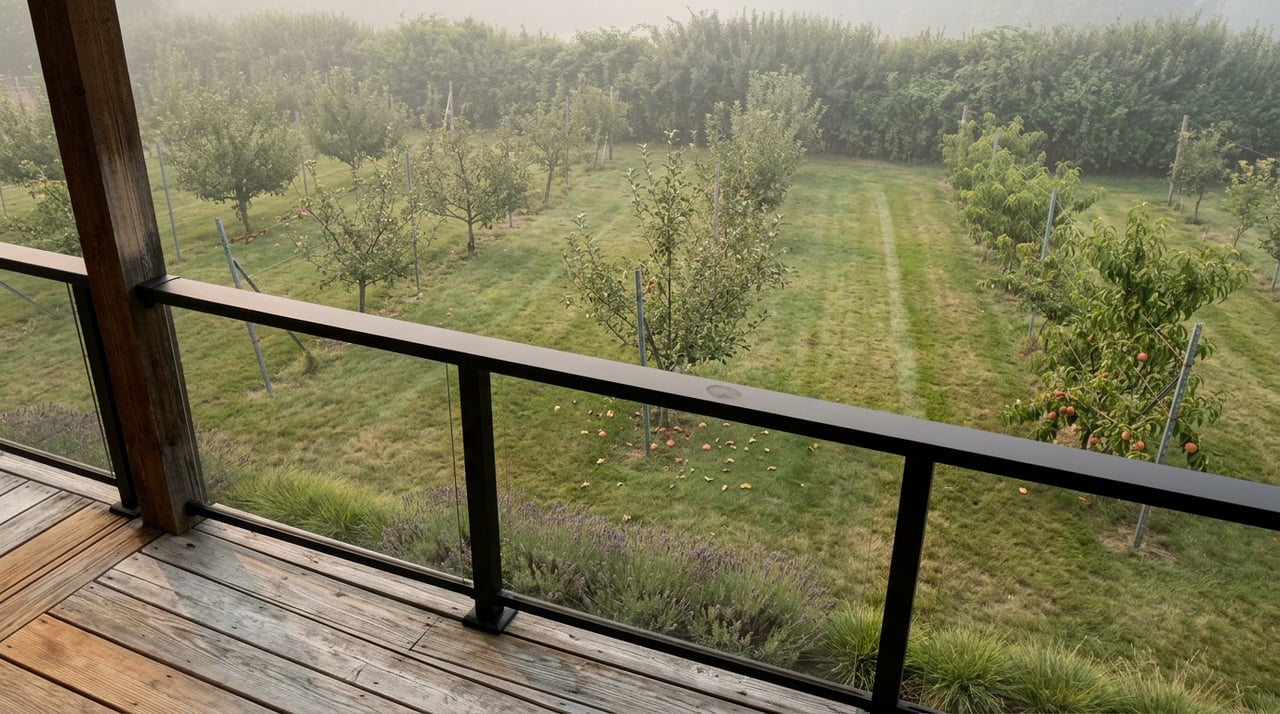
That means features like orchard rows, mountain backdrop, open ground, and working improvements should be presented together. Mt. Hood views may draw buyers in, but verified utility and clear documentation often help move a sale forward.
A strong Parkdale listing packet should make it easy for buyers to review facts without piecing the story together from photos alone. A useful packet may include:
Using Hood River County’s GIS web map, your tax lots, zoning, and special districts can be matched to those materials. That kind of preparation helps buyers understand the property faster and can support smoother conversations during the sale.
In this market, the biggest problems are often not dramatic. More often, they come from missing paperwork, unclear systems, or assumptions that buyers will figure things out on their own.
If you want to avoid delays, pay close attention to the questions buyers are most likely to ask.
Buyers commonly want answers to practical questions such as:
If you can answer these questions early, your property often feels more credible and easier to underwrite.
Beautiful photos matter, especially in Parkdale where views and setting are part of the draw. But visuals alone rarely carry a farm or orchard sale.
Buyers need confidence in the underlying assets. When your listing combines strong presentation with verified records, it stands out for the right reasons.
The highest-value orchard and farm listings in Parkdale are usually the ones that make the property legible. Buyers are not only buying a home. They are buying water, productive ground, usable improvements, and a path to continued rural use.
That is why preparation matters so much here. When you organize the facts, document the assets, and market the property with both local knowledge and strategy, you give buyers a clearer reason to act.
If you are thinking about selling in Parkdale, Chrissy & Brock Wood can help you build a smart listing strategy, present your property clearly, and reach the right buyers with professional marketing and local insight.
Stay up to date on the latest real estate trends.
Chrissy and Brock cover a lot of real estate ground and knowledge and have the experience and expertise to do it all. They also have established relationships and connections with local resources to help ensure that clients are well taken care of before, during, and after a transaction.
BROCK & CHRISSY WOOD
Chrissy Wood - Licensed in WA & OR
(425) 418-3988
Brock Wood - Licensed in WA & OR
(509) 637-4400
315 Oak St Ste 200 Hood River OR 97031