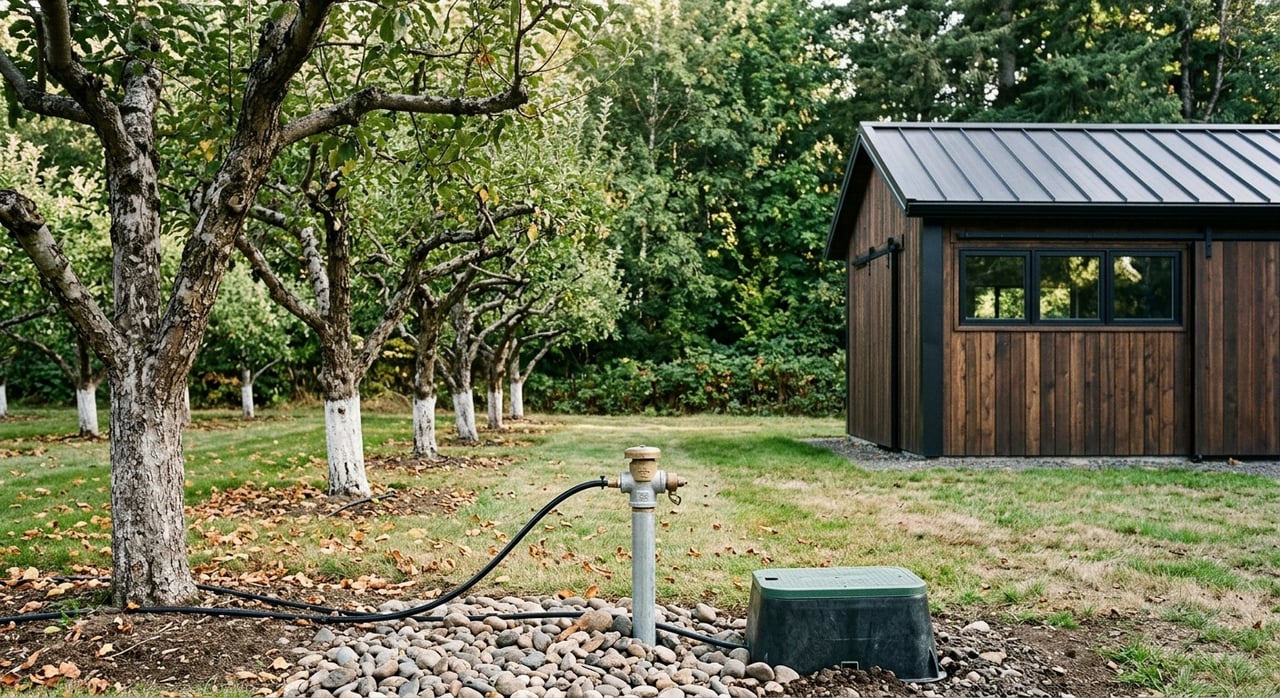
What to Know About Parkdale OR Orchard Properties
June 4, 2026
June 4, 2026
If you are dreaming about owning an orchard or farm in Parkdale, it helps to know that you are not just buying a house with some extra land. In this part of Hood River County, the land itself often drives the value, the rules, and the day-to-day reality of ownership. When you understand water, zoning, buildings, and farm use before you write an offer, you can move forward with a lot more confidence. Let’s dive in.
Parkdale sits in a part of Hood River County where planning is shaped by agricultural, natural, scenic, and recreational priorities. Much of the private land in the county is zoned for agricultural or forest use, and some properties may also fall within the Columbia River Gorge National Scenic Area.
That matters because a Parkdale address does not tell you everything you need to know about a parcel. Hood River County is actively working through a community-planning and zoning process for Parkdale, so you should verify the parcel’s current map designation and land-use status instead of relying on a listing description or area name alone.
In the Hood River Valley, agriculture is strongly tied to orchards. Oregon State University Extension identifies pears as the major commercial crop in the valley, and county irrigation data shows large acreages devoted to orchards, especially pears, along with cherries, apples, peaches, blueberries, nuts, lavender, berries, and grapes.
For you as a buyer, that means many Parkdale-area farm listings are not simple blank-slate rural properties. They are often specialized perennial-crop properties with infrastructure, operating needs, and long-term land-use considerations that can look very different from a homesite with a pasture or garden.
When you tour orchard or farm properties in Parkdale, focus on the land and its working features as much as the home. A beautiful setting is important, but the practical details will shape how usable and valuable the property really is.
Start with the productive ground itself. You may want to ask about mature tree blocks, plantable acreage, crop history, and how the site has been used over time.
If you are not planning a full production operation, this still matters. A parcel set up for orchard use may not automatically function the same way for pasture, livestock, or another farm plan without more review.
Water is one of the biggest issues on any Parkdale farm purchase. Hood River County’s water-use assessment notes that the county has five irrigation districts, and service can vary, with some districts operating year-round and others running seasonally with spray and frost water outside the main irrigation period.
As you evaluate a property, pay close attention to irrigation delivery points, pump houses, and frost-protection capacity. These features can directly affect how the property works now and what it may support in the future.
Outbuildings can be useful, but they are not always simple add-ons. Barns, storage structures, equipment buildings, fencing, and road access for farm equipment all deserve a closer look.
You should also consider how equipment reaches the property and how internal circulation works on the site. A parcel may be scenic and productive, but awkward access can create everyday challenges for farm use.
Oregon water law is a major part of buying orchard or farm property. According to the Oregon Water Resources Department, water belongs to the public, and landowners generally do not automatically have the right to use water that flows past, through, or under their property.
That is why the right question is not simply, “Is there water?” The real question is what kind of water right or irrigation district service is attached to the parcel, what uses are allowed, and whether those rights or services transfer with the sale.
Before you move too far forward, it is smart to clarify:
OWRD states that changes such as the point of diversion, place of use, or type of use may require transfer approval. If you are thinking about changing crops, expanding use, or reworking how water is delivered, that review may become especially important.
Many rural properties in this area are affected by Oregon’s farmland-protection system. The Department of Land Conservation and Development says counties must identify farmland and zone it Exclusive Farm Use, also called EFU.
For you, EFU can affect both the property’s allowed uses and its tax treatment. Land in EFU that is primarily used to make a profit from farming may qualify for reduced taxes, but changes away from farm use can alter that picture.
A parcel may look flexible on the surface, but EFU zoning often comes with specific limits. Future plans for additional dwellings, nonfarm structures, or alternative uses should be reviewed carefully with the county before you assume they are possible.
This is especially important if you are a lifestyle buyer moving from a metro area and hoping for “a little farm” with broad options. In Parkdale, the legal framework matters just as much as the land itself.
Some Parkdale-area properties may fall within the Columbia River Gorge National Scenic Area. Hood River County says property use and development in the Scenic Area are governed by the Gorge Management Plan and Article 75 of the county zoning ordinance.
That does not mean a property cannot work for your goals. It does mean that review and approvals may involve another layer, so it is worth confirming early whether the parcel is inside the Scenic Area and how that affects future improvements or development.
A barn or shop can be a major asset, but you should not assume every structure is approved for every use. Hood River County’s building department handles permits for residential, agricultural, commercial, and industrial structures.
The county’s EFU standards also state that agricultural buildings and equine facilities need an approved land-use permit. Under those rules, an agricultural building cannot be approved as a dwelling or as a public-use structure.
If a property includes an additional dwelling or space intended for farm help, the review gets more specific. Hood River County allows accessory farm dwellings in EFU only under detailed criteria connected to farm use and occupancy.
Some approvals can also require deed restrictions or later removal if the housing is no longer needed. If extra housing is part of your decision-making, confirm exactly what was approved and under what conditions.
Rural buyers sometimes focus heavily on the home, the view, and the acreage, then discover access questions later. Hood River County says work in a county road right-of-way or public road right-of-way can require Public Works permits.
That can include driveway connections, road approaches, utility installations, and related work. If you are planning improvements or need to modify access, ask early whether permits are required.
If you are moving to Parkdale for space, scenery, and a slower pace, it is still important to understand that this is active farm country. Oregon’s right-to-farm law protects customary farm noises, smells, dust, and similar impacts associated with agricultural operations.
In practical terms, orchard work is part of the local environment. Depending on the season, that may include equipment activity, spraying, pruning, harvest traffic, or frost-related operations.
One of the best ways to buy well in Parkdale is to be honest about how hands-on you want to be. A small homesite with a garden and a shop is very different from a working orchard block that depends on irrigation timing, pruning, labor, and seasonal crop management.
If your goal is lifestyle first, define what level of land care feels realistic for you. If your goal is income, focus on crop history, irrigation reliability, storage or packing capacity, access for equipment, labor needs, and whether the tax and zoning profile supports ongoing farm use.
Before you submit an offer on a Parkdale orchard or farm property, try to get clear answers to the issues that matter most:
These are the kinds of details that can shape value, financing, operations, and your long-term plans.
Farm and orchard purchases often require more moving parts than a standard residential transaction. Depending on the property, you may need input from county planning staff, building staff, a surveyor, a water-rights specialist or land-use attorney, an orchard or farm consultant, an agriculture-aware lender, and a tax adviser.
The goal is not to make the process feel overwhelming. It is to help you make a clean, informed decision with fewer surprises after closing.
Buying in Parkdale can be a wonderful move if the property truly fits your plans and you understand what comes with it. If you want grounded local guidance as you sort through acreage, orchard, and rural-use questions in the Gorge, Chrissy & Brock Wood are here to help.
Stay up to date on the latest real estate trends.
Chrissy and Brock cover a lot of real estate ground and knowledge and have the experience and expertise to do it all. They also have established relationships and connections with local resources to help ensure that clients are well taken care of before, during, and after a transaction.
BROCK & CHRISSY WOOD
Chrissy Wood - Licensed in WA & OR
(425) 418-3988
Brock Wood - Licensed in WA & OR
(509) 637-4400
315 Oak St Ste 200 Hood River OR 97031