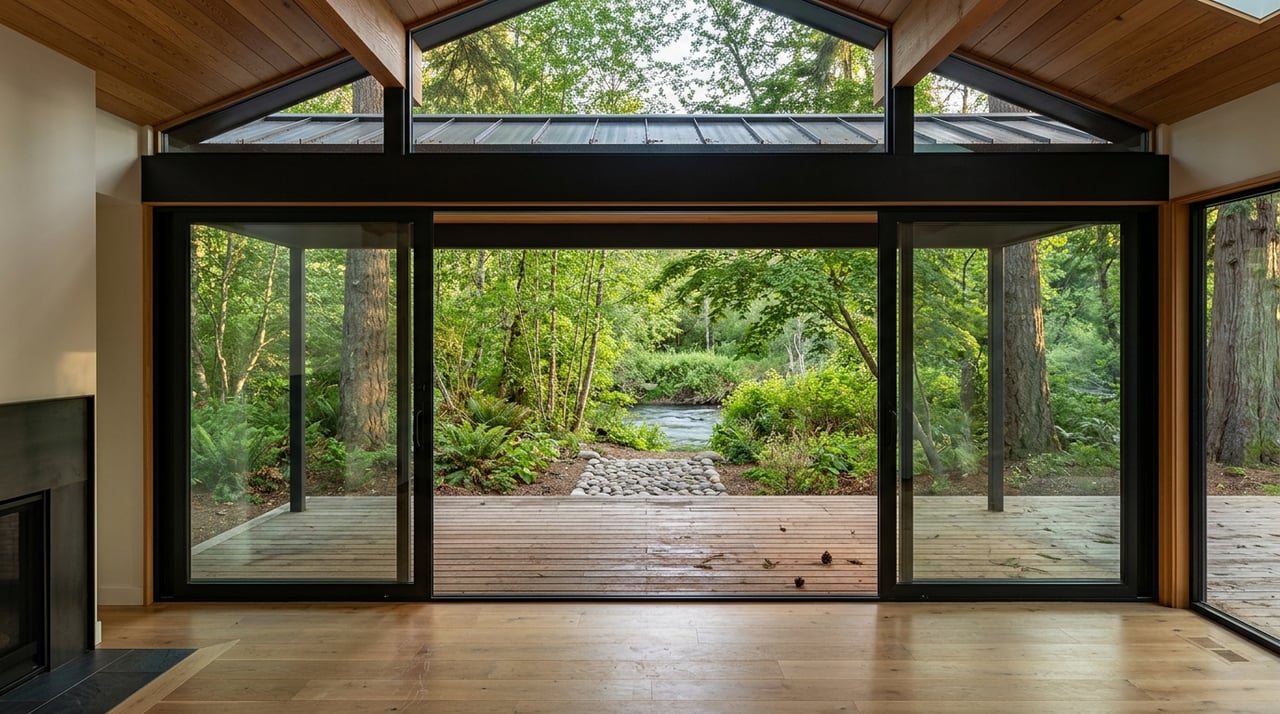
Living in Klickitat WA: Everyday Life Along the River
June 18, 2026
June 18, 2026
If you are curious what daily life in Klickitat actually feels like, the answer starts with the river. This is not a place built around a busy town center or suburban routine. It is a small river-corridor community where the Klickitat River, Highway 142, and the seasons shape how people move, recreate, and experience the landscape. Let’s dive in.
Klickitat is a small Census Designated Place in Klickitat County with a 2020 population of 320. That small scale is part of what gives the area its distinct rhythm.
Instead of a dense grid of streets or a heavily built-out setting, Klickitat sits in a narrow canyon landscape shaped by the river corridor. Public land sources describe basalt walls, oak and pine hills, grassland openings, and mineral-spring sites, all of which help define the everyday backdrop.
The lower Klickitat River is also designated Wild and Scenic. In practical terms, that helps explain why the area feels open, rugged, and lightly developed rather than polished or suburban.
In Klickitat, the river is more than scenery. It influences recreation, access, and the way the year unfolds.
Fishing is one of the clearest examples. Washington Department of Fish and Wildlife notes that the wildlife area provides access to the Klickitat River’s summer-run steelhead fishery, and the lower river is recognized as important habitat for anadromous fish.
River access is also woven into day trips and outdoor routines. Public sources identify an undeveloped boat put-in and take-out upstream of the Pitt bridge, additional access along Highway 142, and a campground and boat launch about 1.7 miles upstream from town.
That means everyday life here often includes keeping an eye on river conditions, planning around access points, and treating the corridor as an active part of the landscape rather than a distant attraction.
One of the biggest features of life in Klickitat is the Klickitat Trail. This 31-mile rail-trail links Lyle and Goldendale, passes through Klickitat, and is used year-round for hiking and bicycling.
The broader trail system is also described as suitable for mountain bikes, horseback riding, and family strolls, though permitted uses vary by segment. In the Mineral Springs unit, for example, horses are not allowed.
What makes the trail feel different from an urban greenway is its self-supported nature. State trail materials advise visitors to bring drinking water, sunscreen, snacks, and layered clothing, and they note that most of the trail has no cell-phone reception.
That gives the corridor a practical, outdoors-first feel. A simple walk or ride here tends to involve a bit more planning, a little more awareness, and a stronger connection to the landscape around you.
Life along the river in Klickitat is deeply seasonal. The same trail, river access point, or wildlife area can feel very different from spring to winter.
Spring is one of the liveliest times along the corridor. The Forest Service highlights wildflowers, birds, and river scenery during this season, which makes spring outings feel especially active and visual.
WDFW also notes that Vaux’s swifts use the old bottling and dry-ice chimney during spring and fall migrations. That detail says a lot about Klickitat itself. Even remnants of the area’s industrial past still play a role in the present landscape.
Summer is when river use becomes more routine. WDFW says swimming and floating are popular when the water is warm and flows are lower, with July identified as the best month.
At the same time, summer also comes with limits and planning. The Swale Canyon portion of the trail is usually closed from June to October because of fire danger, and WDFW says burn bans usually run from June 1 through October 12.
So while summer can feel active and social outdoors, it also requires attention to conditions. In Klickitat, warm-weather living includes knowing the rules, checking closures, and respecting fire season.
As temperatures shift, the corridor’s rhythm changes again. Fall tends to bring people back toward walking, birding, and fishing.
Winter adds another layer. WDFW says the wildlife area provides black-tailed deer wintering range, and bald eagles are present along the river in winter.
State Parks notes that some park portions can close during winter even though the trail itself is generally year-round. That means colder months still offer access and outdoor time, but with a quieter pace and more variable conditions.
One of the most interesting things about Klickitat is how clearly the past remains part of everyday life. This is not a place where history sits behind glass. It shows up in the names, the trail corridor, and the built remnants beside it.
Washington State Parks frames the corridor as an Indigenous landscape first. The river and trail are named for Sahaptian and Interior Salish peoples, and the lower gorge has long supported dip-net fishing.
State Parks also notes that this fishery became even more important after The Dalles Dam submerged Celilo Falls in 1957. That history adds depth to the river corridor and helps explain why this landscape carries meaning beyond recreation.
The Klickitat Trail follows a transportation route that began as a railroad built in 1903. It later served passenger travel and lumber transport before being abandoned in 1992 and eventually managed as a public trail corridor.
That rail-to-trail history still shapes the experience today. The route feels like a repurposed working corridor, not a newly built path, and that contributes to Klickitat’s practical, rooted character.
An Ecology case study describes Klickitat as an unincorporated community originally settled in 1890 and developed as a mill town. That legacy still shows up in the corridor.
WDFW notes that the old water-bottling and dry-ice plant remains visible beside the trail, and its chimney now serves as a Vaux’s swift roost. It is a small but vivid example of how industry, wildlife, and local history overlap here.
If you are considering Klickitat, it helps to think less in terms of conventional town amenities and more in terms of landscape-driven routines. Everyday life here is shaped by trail access, fishing seasons, summer fire restrictions, and the realities of a lightly developed outdoor corridor.
For some people, that is exactly the appeal. The setting feels small, grounded, and connected to the land, with a rhythm that follows the river more than the clock.
It can also appeal to buyers looking for a Columbia River Gorge location that feels distinct from larger hubs. Klickitat offers a setting where the natural corridor is not just nearby. It is central to the experience of being there.
If you want help understanding how a place like Klickitat fits your goals, whether you are buying, selling, or planning a move in the Gorge, Chrissy & Brock Wood can help you navigate the local landscape with clear, practical guidance.
Stay up to date on the latest real estate trends.
Chrissy and Brock cover a lot of real estate ground and knowledge and have the experience and expertise to do it all. They also have established relationships and connections with local resources to help ensure that clients are well taken care of before, during, and after a transaction.
BROCK & CHRISSY WOOD
Chrissy Wood - Licensed in WA & OR
(425) 418-3988
Brock Wood - Licensed in WA & OR
(509) 637-4400
315 Oak St Ste 200 Hood River OR 97031