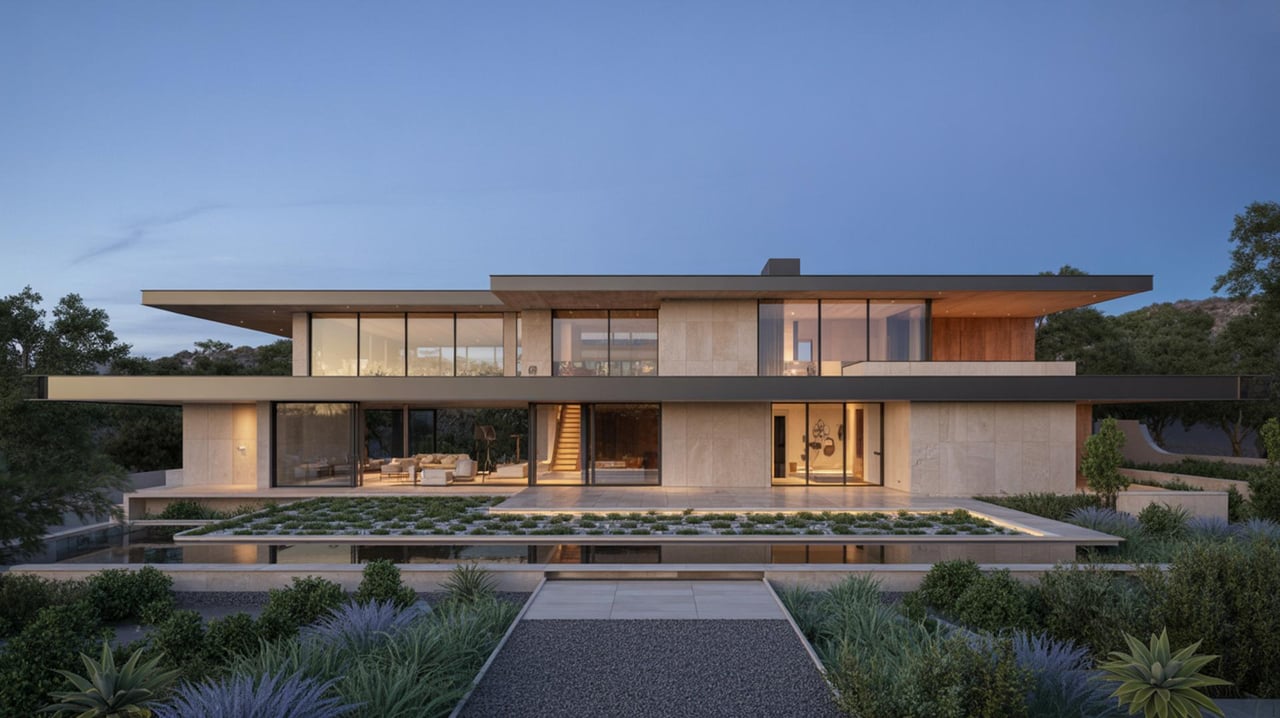
Energy-Saving Updates for a Greener Home
Lifestyle September 11, 2025
Lifestyle September 11, 2025
Creating a greener home is an increasingly popular goal for homeowners looking to reduce their environmental impact and save on energy costs. Energy-saving updates not only contribute to a more sustainable lifestyle but also enhance the comfort and efficiency of a home. By implementing strategic changes, homeowners can significantly reduce energy consumption while enjoying the benefits of a more eco-friendly living space.
Proper insulation and weatherproofing are foundational steps in creating an energy-efficient home. By ensuring that walls, attics, and floors are well-insulated, homeowners can prevent heat loss during the winter and keep the interior cool in the summer. Weatherproofing windows and doors with seals and caulking further reduces drafts and energy waste. These updates are relatively simple yet highly effective in maintaining a consistent indoor temperature, leading to reduced reliance on heating and cooling systems.
Replacing old windows with energy-efficient models can make a significant difference in a home's energy consumption. Modern windows are designed with advanced glazing techniques and materials that minimize heat transfer, keeping homes warmer in the winter and cooler in the summer. Double or triple-pane windows with low-emissivity coatings are particularly effective in reducing energy loss. These windows not only improve energy efficiency but also enhance indoor comfort by reducing noise and blocking harmful UV rays.
Installing a smart thermostat is a practical way to optimize energy use in a home. These devices allow homeowners to program and control their heating and cooling systems remotely, ensuring that energy is used only when needed. Smart thermostats learn household patterns and adjust temperatures accordingly, providing comfort while minimizing energy waste. By using a smart thermostat, homeowners can achieve significant energy savings without sacrificing comfort.
Switching to LED lighting is a simple yet impactful energy-saving update. LED bulbs use a fraction of the energy consumed by traditional incandescent bulbs and have a much longer lifespan. By replacing all light fixtures with LEDs, homeowners can reduce electricity usage and lower their energy bills. Additionally, LED lighting is available in a variety of colors and styles, allowing for customization and enhancement of a home's aesthetic appeal.
Upgrading to energy-efficient appliances is another effective way to reduce a home's energy consumption. Modern appliances, such as refrigerators, dishwashers, and washing machines, are designed to use less energy while maintaining high performance. When selecting new appliances, homeowners should look for the ENERGY STAR label, which indicates that the product meets strict energy efficiency guidelines. Investing in energy-efficient appliances not only reduces energy bills but also contributes to a more sustainable lifestyle.
Installing solar panels is a substantial investment that can significantly reduce a home's reliance on traditional energy sources. By harnessing the power of the sun, solar panels generate clean, renewable energy that can power a home and reduce electricity costs. While the initial installation cost can be high, many homeowners find that the long-term savings and environmental benefits make solar panels a worthwhile investment. Additionally, various incentives and rebates may be available to offset the cost of installation.
Water-saving fixtures, such as low-flow faucets and showerheads, can greatly reduce water usage in a home. These fixtures are designed to maintain water pressure while using less water, leading to lower water bills and reduced environmental impact. Installing water-saving toilets and using efficient irrigation systems for landscaping further contribute to water conservation efforts. By making these updates, homeowners can significantly decrease their water consumption without compromising on convenience or comfort.
Conducting an energy audit is a valuable step in identifying areas where a home can improve its energy efficiency. Professional energy auditors assess a home's energy use and provide recommendations for upgrades and improvements. This process can uncover hidden issues, such as air leaks or inefficient systems, that may be contributing to energy waste. By addressing these issues, homeowners can create a more energy-efficient and environmentally friendly home.
Green roofing involves the installation of vegetation on a roof, providing insulation and reducing heat absorption. This eco-friendly update not only improves energy efficiency but also enhances the aesthetic appeal of a home. Green roofs can help regulate indoor temperatures, reduce stormwater runoff, and improve air quality. While green roofing may require a higher upfront investment, the long-term benefits make it an attractive option for homeowners committed to sustainability.
Upgrading to an efficient HVAC system is essential for reducing energy consumption in a home. Modern HVAC systems are designed to provide optimal heating and cooling while using less energy. Regular maintenance, such as cleaning filters and ducts, ensures that the system operates efficiently. By investing in an energy-efficient HVAC system, homeowners can enjoy a comfortable living environment while minimizing energy use and costs.
Incorporating energy-saving updates into your home not only benefits the environment but also reduces your utility bills. Simple changes can lead to a more sustainable and cost-effective lifestyle. As you consider these updates, remember that expert advice can make the process smoother and more efficient. If you're ready to explore greener living options, reach out to Chrissy & Brock Wood for personalized guidance and support.
Stay up to date on the latest real estate trends.
Chrissy and Brock cover a lot of real estate ground and knowledge and have the experience and expertise to do it all. They also have established relationships and connections with local resources to help ensure that clients are well taken care of before, during, and after a transaction.
BROCK & CHRISSY WOOD
Chrissy Wood - Licensed in WA & OR
(425) 418-3988
Brock Wood - Licensed in WA & OR
(509) 637-4400
315 Oak St Ste 200 Hood River OR 97031